



Category: Radiology
-
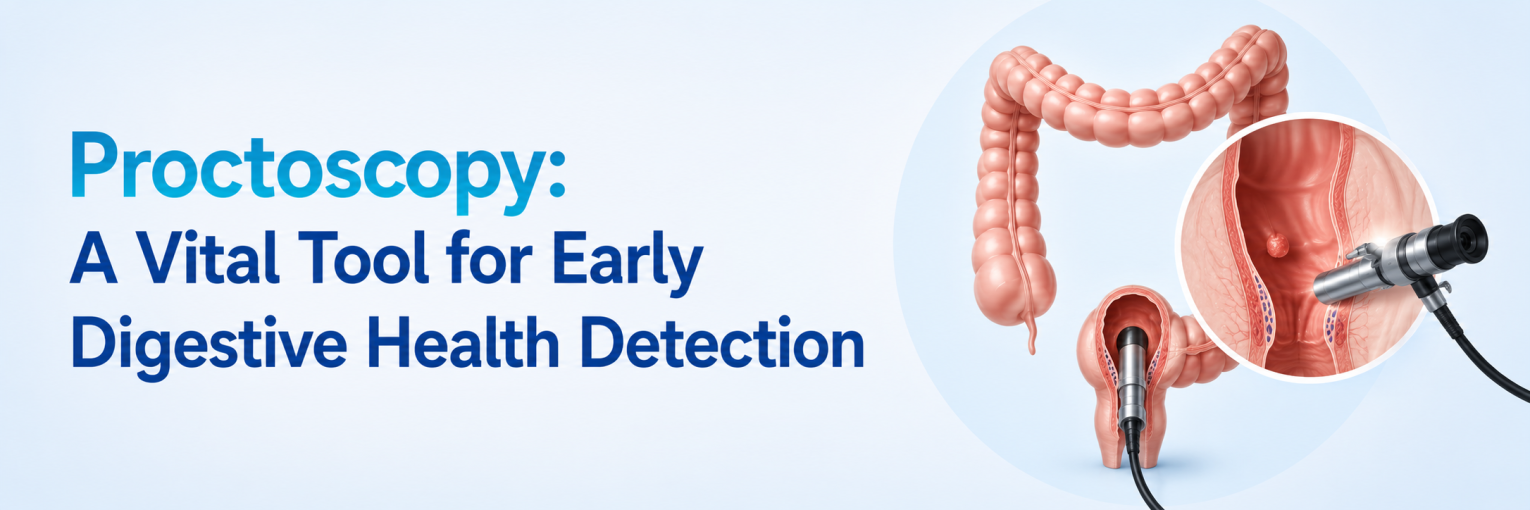
Proctoscopy: A Vital Tool for Early Digestive Health Detection
When a patient notices rectal bleeding, pain while passing stool, mucus discharge, or a constant feeling that the bowel has not emptied properly, the doctor may advise a closer look at the lower rectal area. One of the most common ways to do that is proctoscopy. It is a short, focused examination that allows the…
-
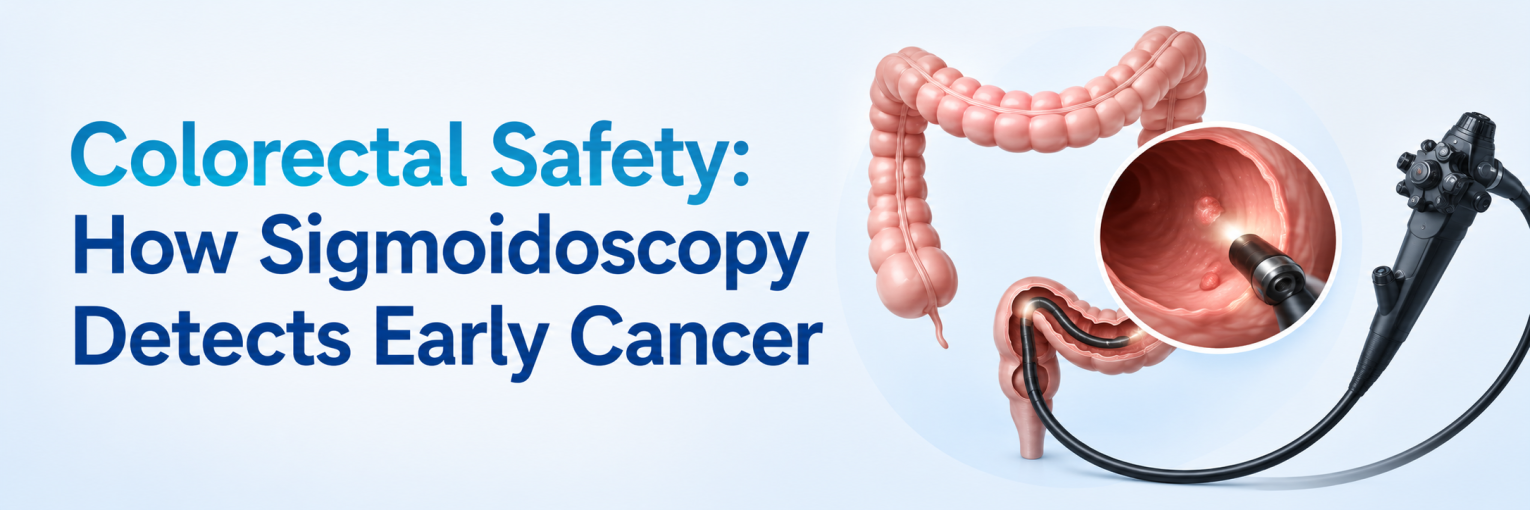
Colorectal Safety: How Sigmoidoscopy Detects Early Cancer
Changes in bowel habits, rectal bleeding, mucus in the stool, lower abdominal discomfort, or a family history of bowel disease should never be brushed aside. These symptoms do not always point to a serious condition, but they do deserve proper attention. The purpose of sigmoidoscopy is not only to investigate discomfort. It also plays a…
-
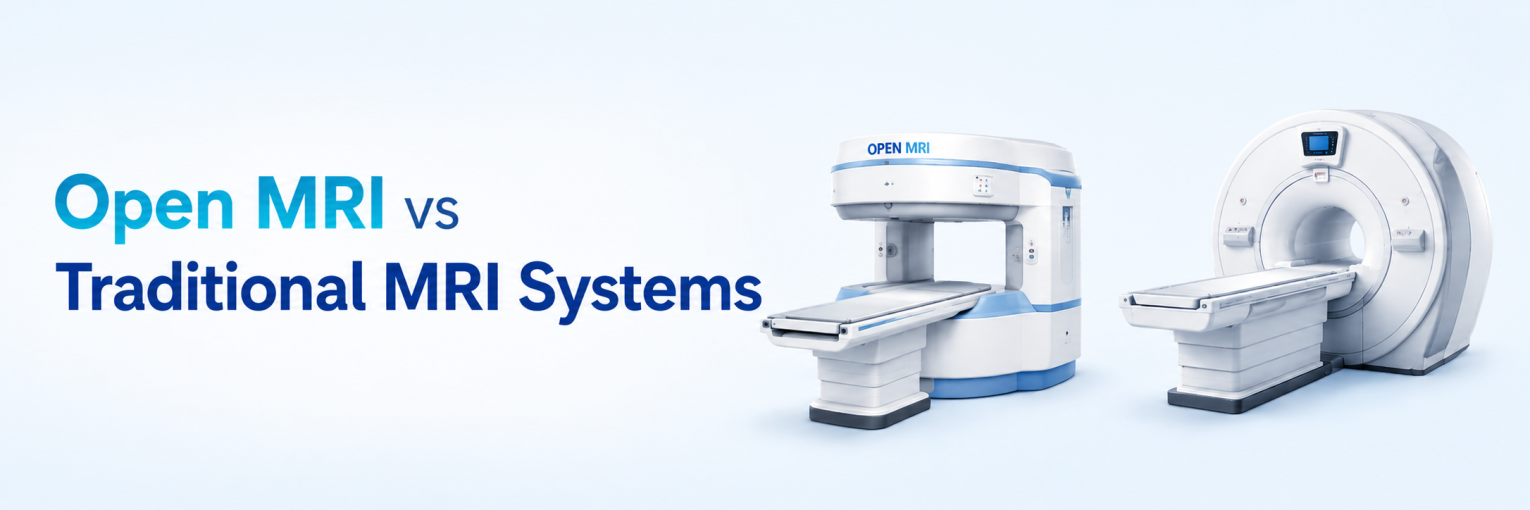
Open MRI vs Traditional MRI Systems
MRI scans are commonly used to look at soft tissues, joints, the spine, the brain, blood vessels, and internal organs in detail. They help doctors investigate many conditions without using ionising radiation. When a patient is told to get an MRI, one question often comes up right away: Should it be done in an Open…
-
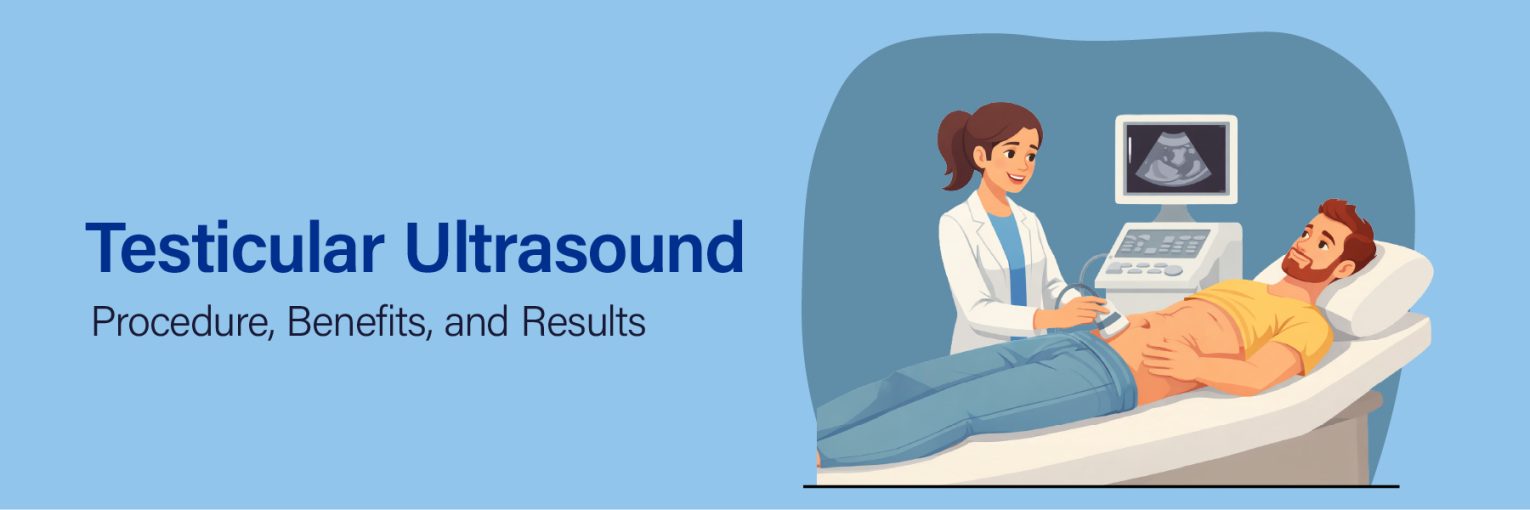
Testicular Ultrasound: Procedure, Benefits, and Results
A Testicular Ultrasound (also called a scrotal ultrasound) is a safe, non-invasive imaging test used to check the testicles and nearby scrotal tissues. It is commonly recommended when there is testicular pain, swelling, or a lump, because it helps doctors quickly identify the likely cause and decide next steps. The scan uses high-frequency sound waves…
-
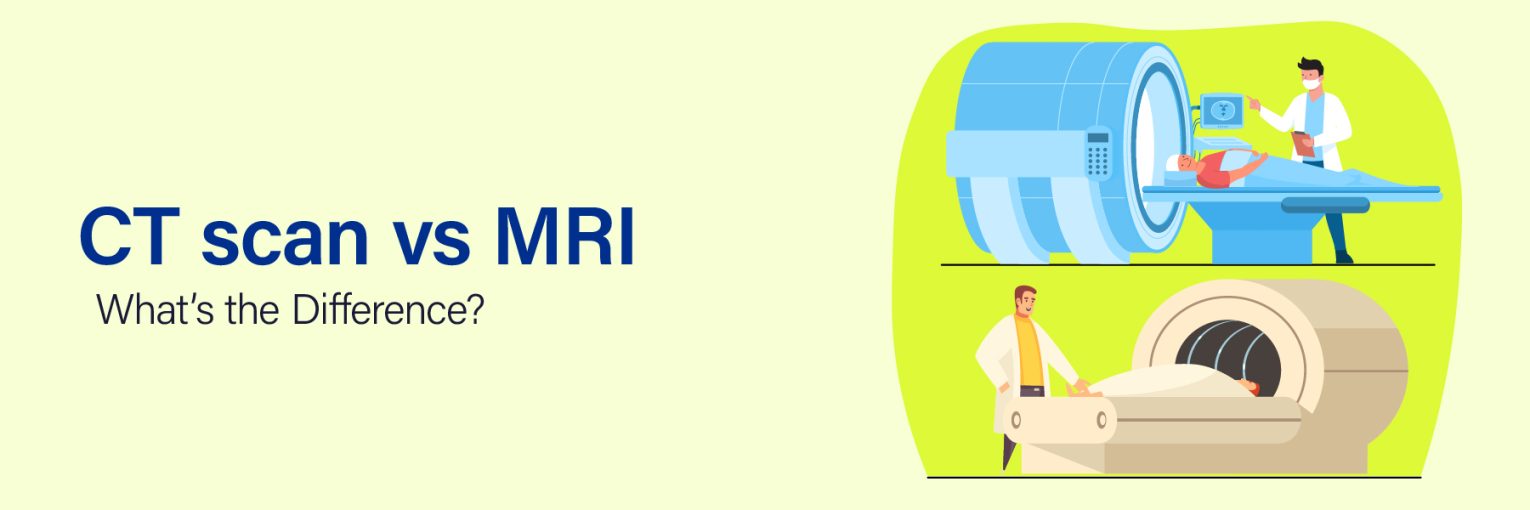
CT Scan vs MRI: What’s the Difference?
When a doctor asks for imaging or radiology tests, the main question is usually whether a CT scan or an MRI scan will answer the clinical problem more clearly. A CT scan uses X‑rays to create cross‑sectional images, while an MRI scan uses a strong magnetic field and radio waves, not ionising radiation. Both scans…
-
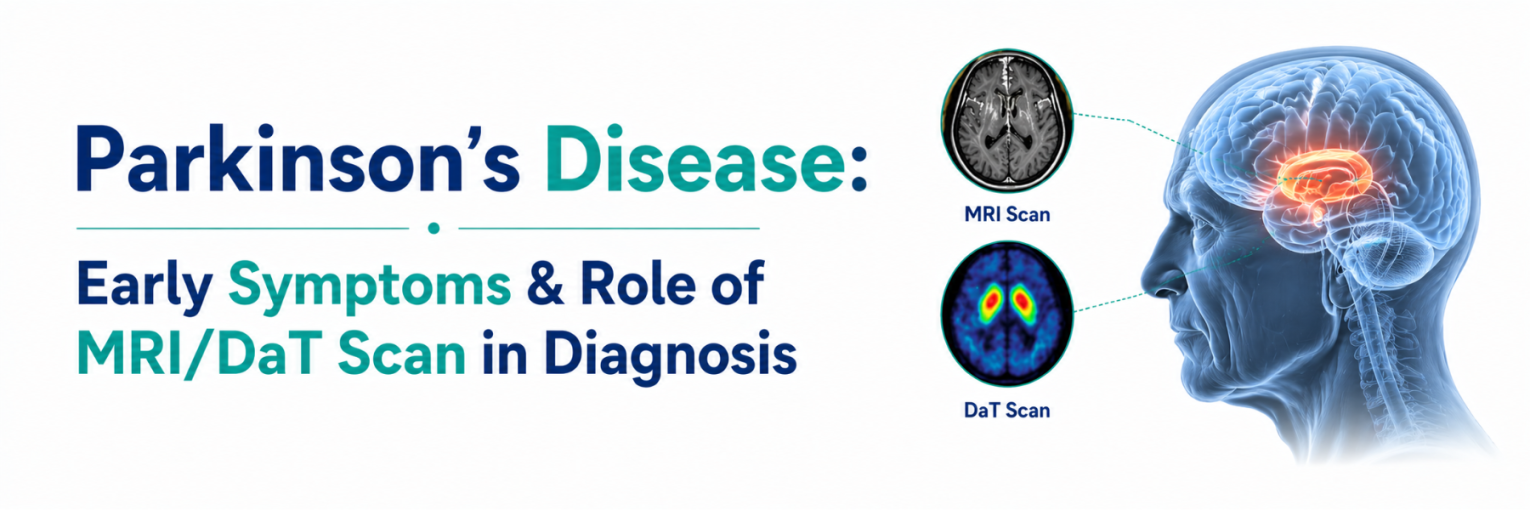
Parkinson’s Disease: Early Symptoms & Role of MRI/DaT Scan in Diagnosis
Parkinson’s disease is a progressive neurodegenerative disorder caused by the gradual loss of dopamine-producing neurons in the human brain. As its symptoms may evolve over time and may overlap with other conditions, Parkinson’s disease diagnosis plays a very important role in care. In this regard, we’ll discuss causes of Parkinson’s disease, the role of dopamine…
-
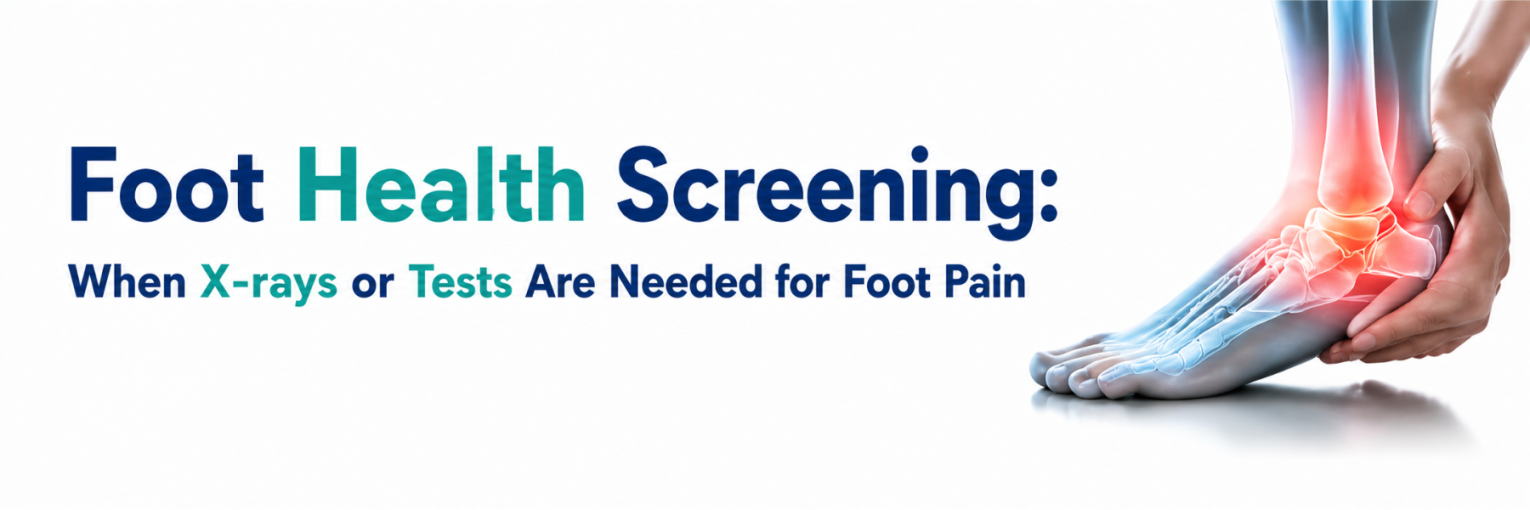
Foot Health Screening: When X-rays or Tests Are Needed for Foot Pain
Foot pain can start suddenly after an injury, or it can develop gradually due to strain, footwear issues, or some metabolic or arthritic conditions. A careful screening approach helps identify whether the problem is limited to skin and soft tissue or whether bone and joint assessment is required. This blog explains when an X-ray is…
-
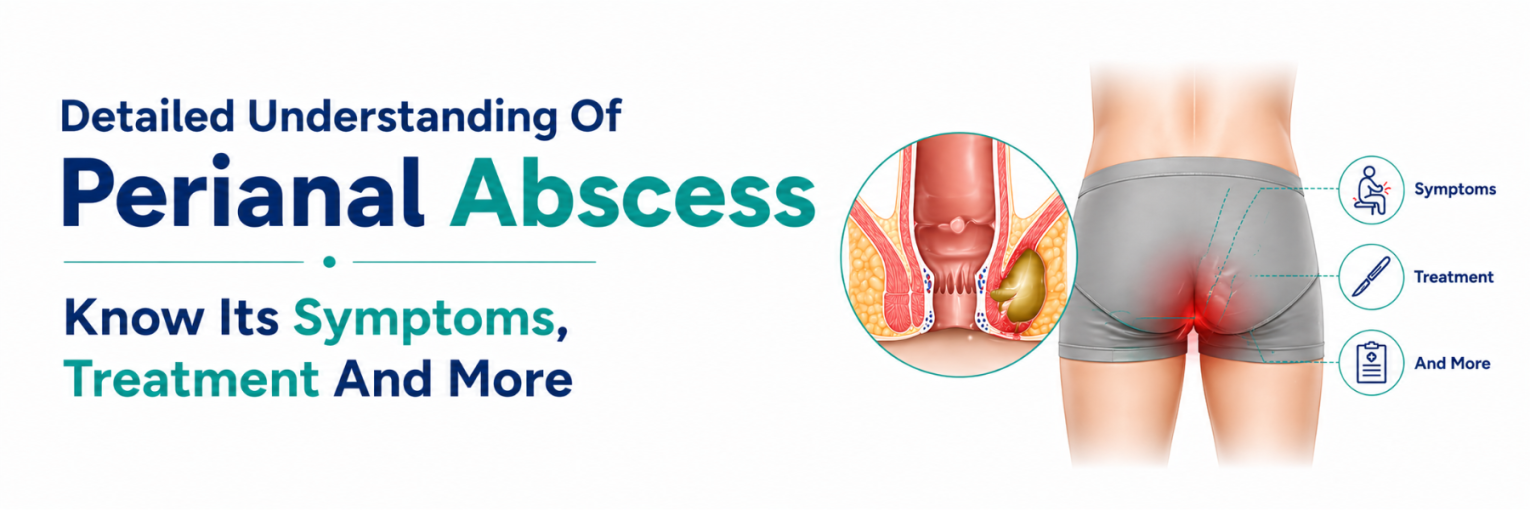
Detailed Understanding Of Perianal Abscess Know Its Symptoms, Treatment And More
A perianal abscess is a painful infection near the anus where in pus collects under the skin or in deeper tissues. It usually starts when a small gland in the anal canal becomes blocked and infected. Many patients first notice increasing pain and a tender swelling, followed by other conditions. This blog explains perianal abscess…
-
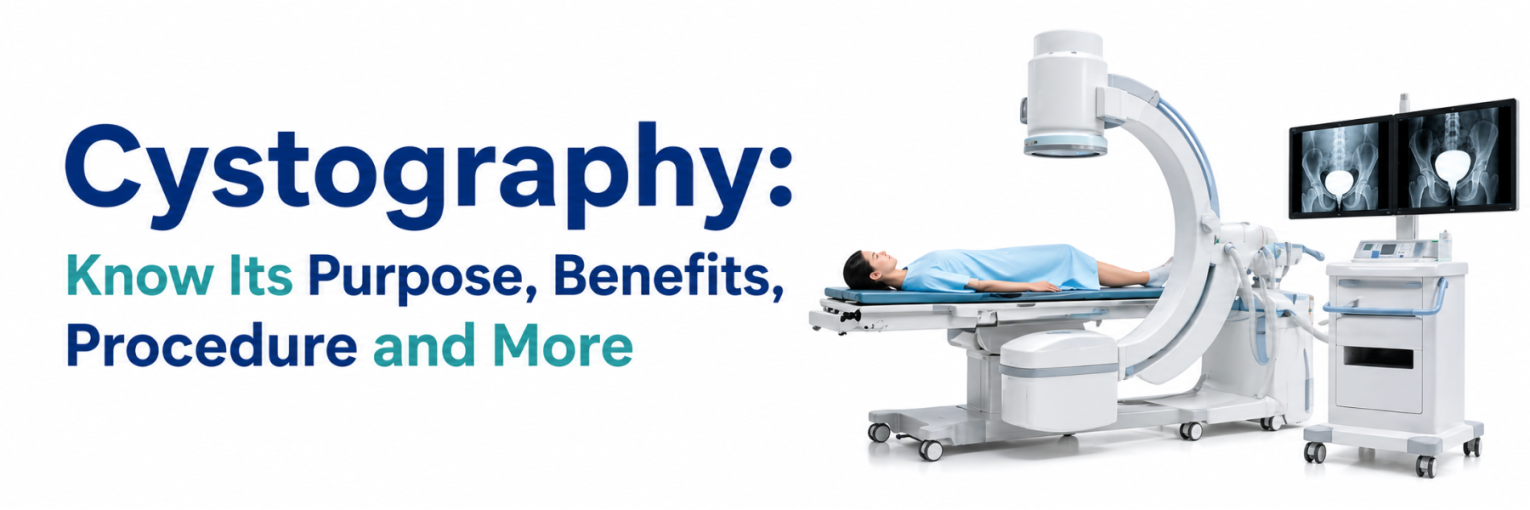
Cystography: Know Its Purpose, Benefits, Procedure and More
Urinary symptoms can feel disruptive, especially when they recur or when there is concern about an injury. In such situations, your clinician may advise an imaging test that looks specifically at the urinary bladder. Cystography is designed for that purpose: it outlines the bladder using a contrast agent and produces images that can be reviewed…
-
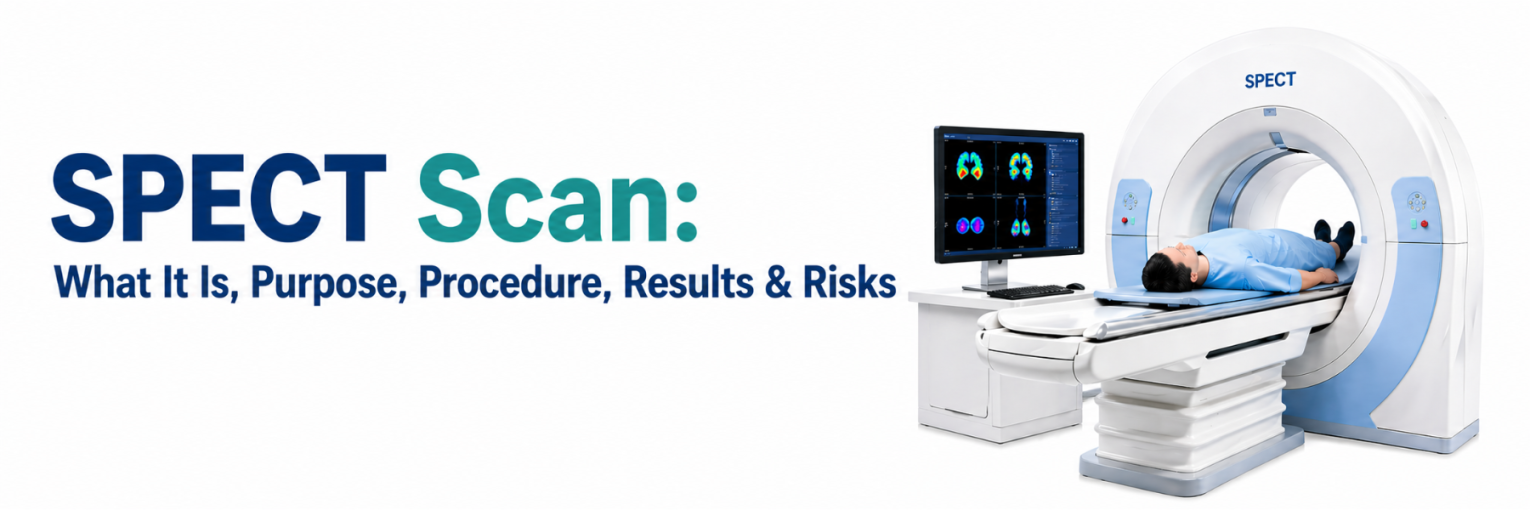
SPECT Scan: What It Is, Purpose, Procedure, Results & Risks
A SPECT scan is a nuclear medicine examination that helps doctors assess how specific organs and tissues are functioning, rather than showing only their structure. It is used in several clinical areas, including heart, bone, and brain spect imaging, when functional information can support decisions about diagnosis or follow-up. What is a SPECT scan? In…