



Category: Radiology
-

Top 10 Reasons for Lower Back Pain and Effective Ways to Find Relief
Lower spine discomfort can begin after lifting, long hours at a desk, extended driving, or a sudden change in exercise. Sometimes it appears without a clear trigger and returns in episodes. Because different conditions can feel similar, it is useful to notice patterns: where the pain sits, what provokes it, and whether it remains local…
-
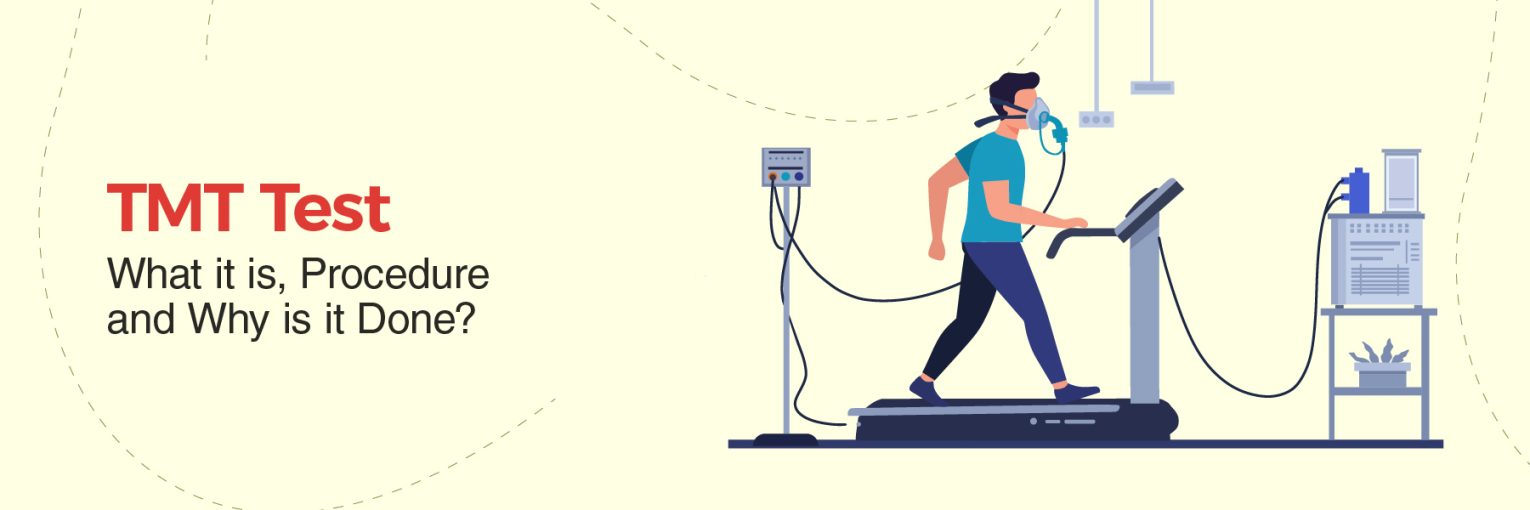
TMT Test: What It Is, Procedure, and Why It Is Done?
Racing hearts are not always a sign of excitement. Sometimes, the body tries to warn us in quiet ways. A little breathlessness while walking. Sudden tiredness after climbing a few stairs. Mild chest discomfort that disappears within seconds. Most people ignore these signals. They blame age, stress, or a long day at work. Doctors use…
-

Anterior Vs Posterior Placenta: Are They the Same or Different?
When a baby grows inside the womb, it gets food and oxygen from the placenta. The placenta can be in different positions. Two common ones are the anterior placenta and the posterior placenta. These names tell us where the placenta is attached in the womb. Anterior means it is at the front, and posterior means…
-
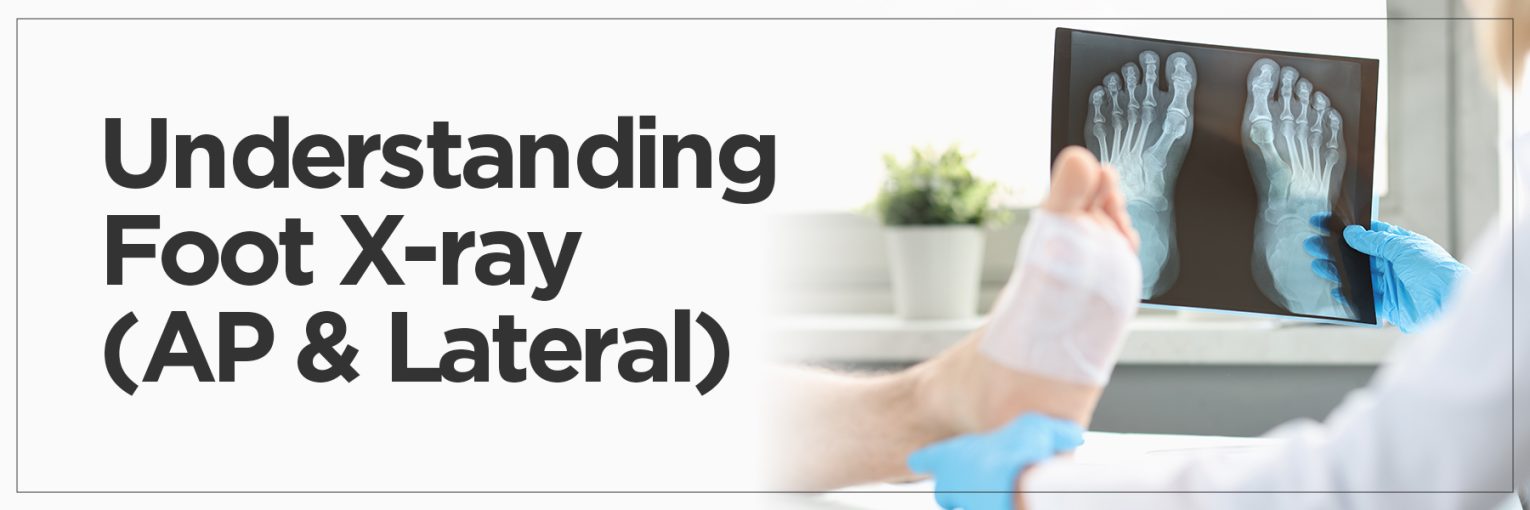
X-Ray Foot AP & Lateral View: Overview & Diagnosis
Foot injuries are incredibly common, whether caused by sports, accidental falls, or overuse. In such cases, a detailed and accurate diagnosis is crucial to ensure proper treatment. One of the most commonly used imaging techniques for this purpose is the X-ray, especially in the Anteroposterior (AP) and Lateral views. These imaging methods provide clear and…
-
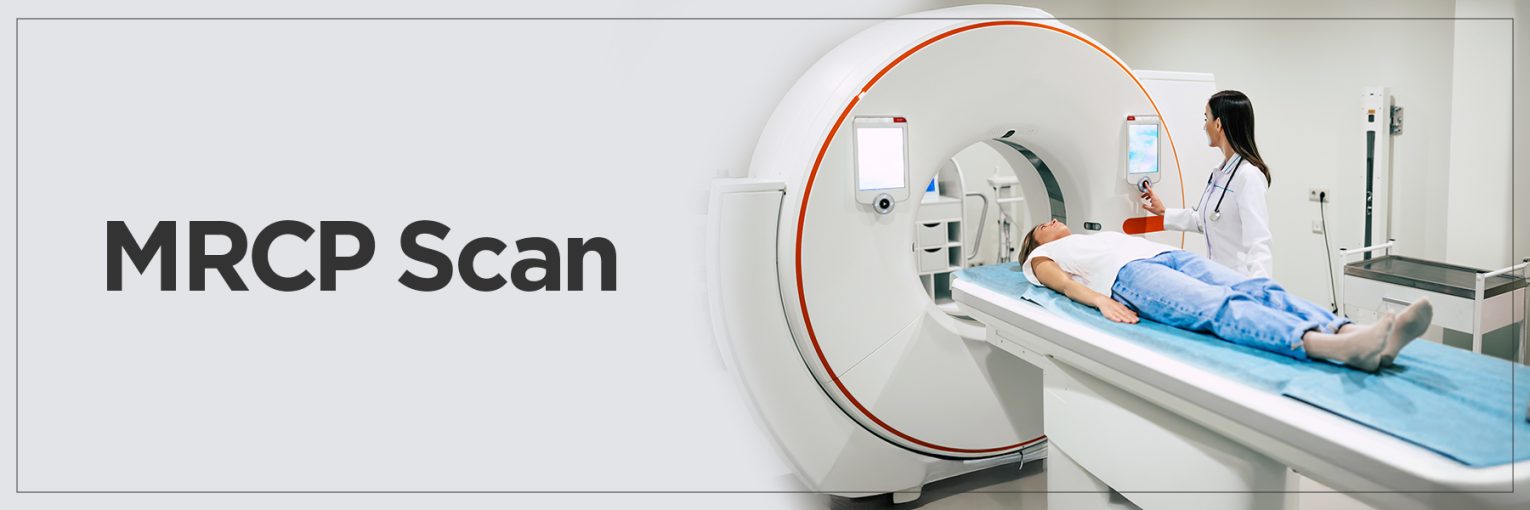
MRCP Scan (MRI 1.5T): How It Works & What It Detects
Medical imaging has transformed the detection and diagnosis of any health problem inside the body. An example of such a technique is the MRCP scan, which is a specific form of MRI that produces high-quality images of the bile ducts, gallbladder, pancreas, and liver. This noninvasive scan, which requires a 1.5T MRI machine, detects gallstones, blockages, inflammation,…
-
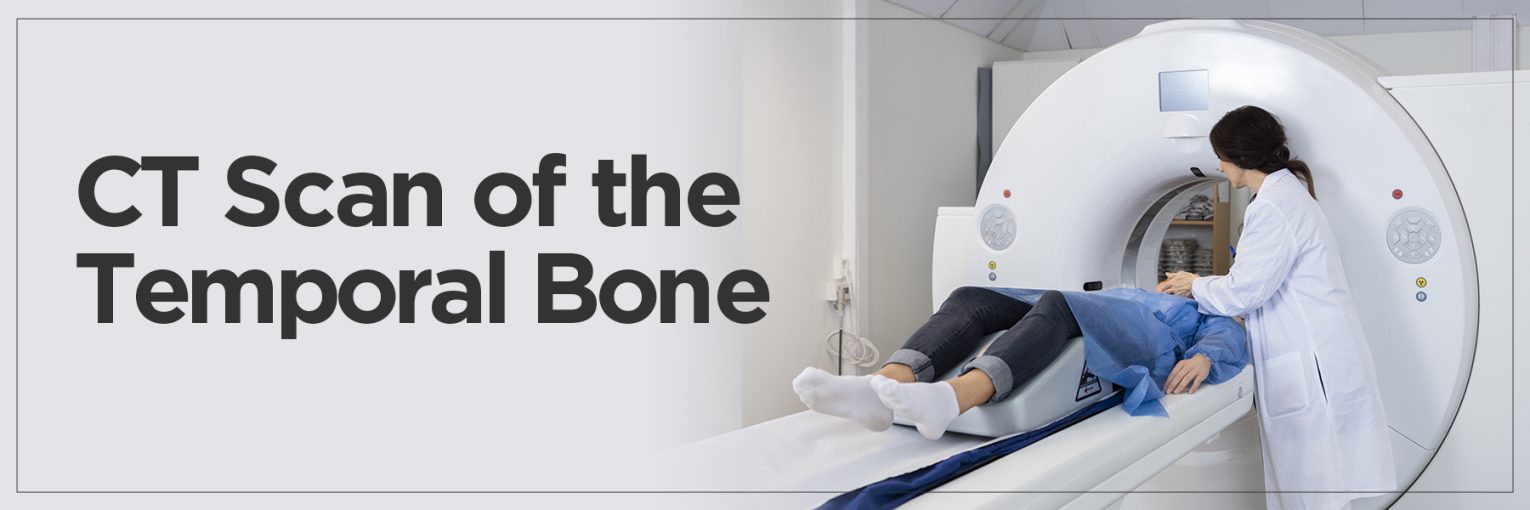
CT Temporal Bone Scan: Procedure, Benefits & Risks
A CT temporal bone scan is a special type of imaging study used to obtain detailed cross-sectional images of the bones that surround the ear. This scan is routinely ordered when a patient is suffering from hearing loss, earache, or following trauma to the side of the head. It produces high-resolution images to help doctors identify conditions that…
-
CT Brain Plain Scan: Why It’s Done & What to Expect
A CT Brain Plain Scan is a fast & painless imaging test that gives detailed pictures of your brain. It is one of the first steps in diagnosing neurological conditions when someone shows up with sudden symptoms such as confusion, severe headaches or trauma. This scan can quickly detect bleeding, swelling, tumours or stroke. A CT scan can…
-
CT Abdomen & Pelvis Scan: Purpose, Preparation & Diagnosis
A CT abdomen and pelvis scan is a vital imaging tool that captures detailed pictures of the organs, bones, and blood vessels in your belly and pelvic region. This non-invasive test uses X-rays to create clear, cross-sectional images, helping doctors diagnose kidney stones, appendicitis, tumours, or infections. Whether you’re experiencing unexplained pain or need cancer…
-
MR Angio Brain: How It Works, Benefits, Safety, and Diagnosis
MR Angio Brain is a special test that helps doctors see blood vessels in the brain. An MRI scan checks for problems like blockages, weak spots, or abnormal growths without needing surgery. This safe test uses magnets and radio waves instead of harmful X-rays. Sometimes, a dye is used to make the pictures sharper. MR…
-
Understanding MRI & MRA: How They Work, What is the Difference?
MRI and MRA are powerful imaging tools that help doctors diagnose health issues with precision. MRI, or magnetic resonance imaging, creates detailed pictures of organs, tissues, and bones using strong magnets and radio waves. It’s ideal for spotting brain tumours or joint injuries. MRA, a specialised MRI, zooms in on blood vessels to detect blockages…