



Category: Pathology
-
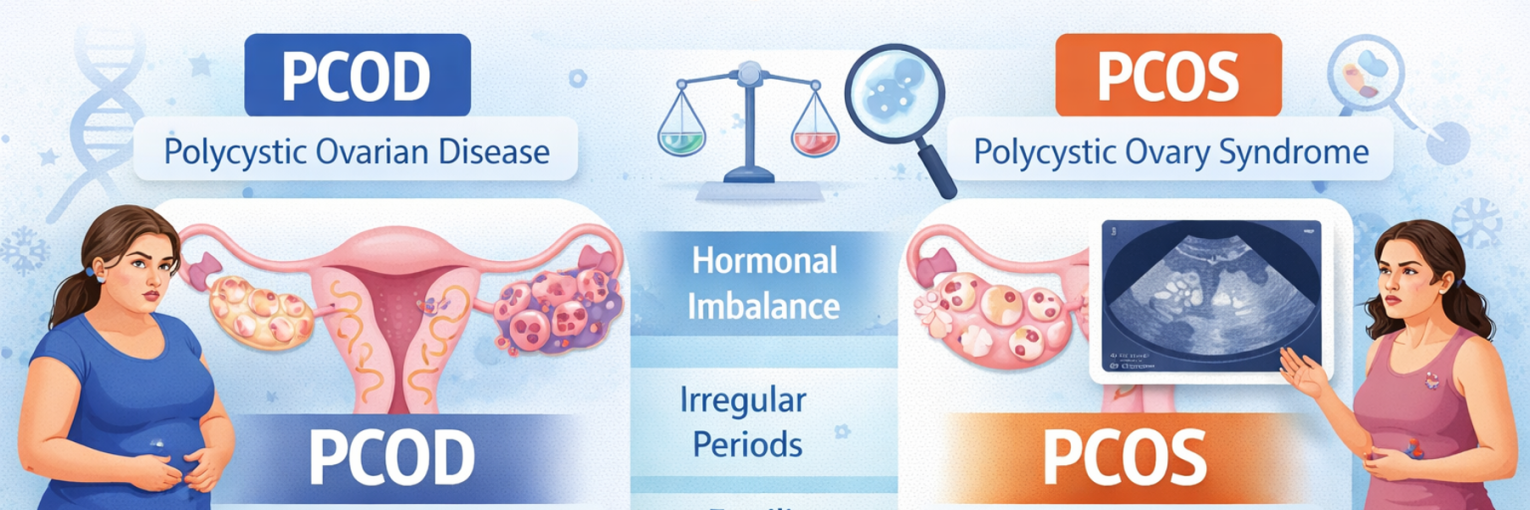
PCOD vs PCOS: Understanding the Difference
Polycystic ovary syndrome (PCOS) and Polycystic ovary Disease (PCOD) are commonly found hormonal disorders that affect women. It is particularly observed in their reproductive years. PCOD is commonly used as a non-medical term—mostly in India—to describe polycystic ovaries or mild hormone imbalance. PCOS, on the other hand, is the medically recognised endocrine-metabolic syndrome diagnosed using…
-
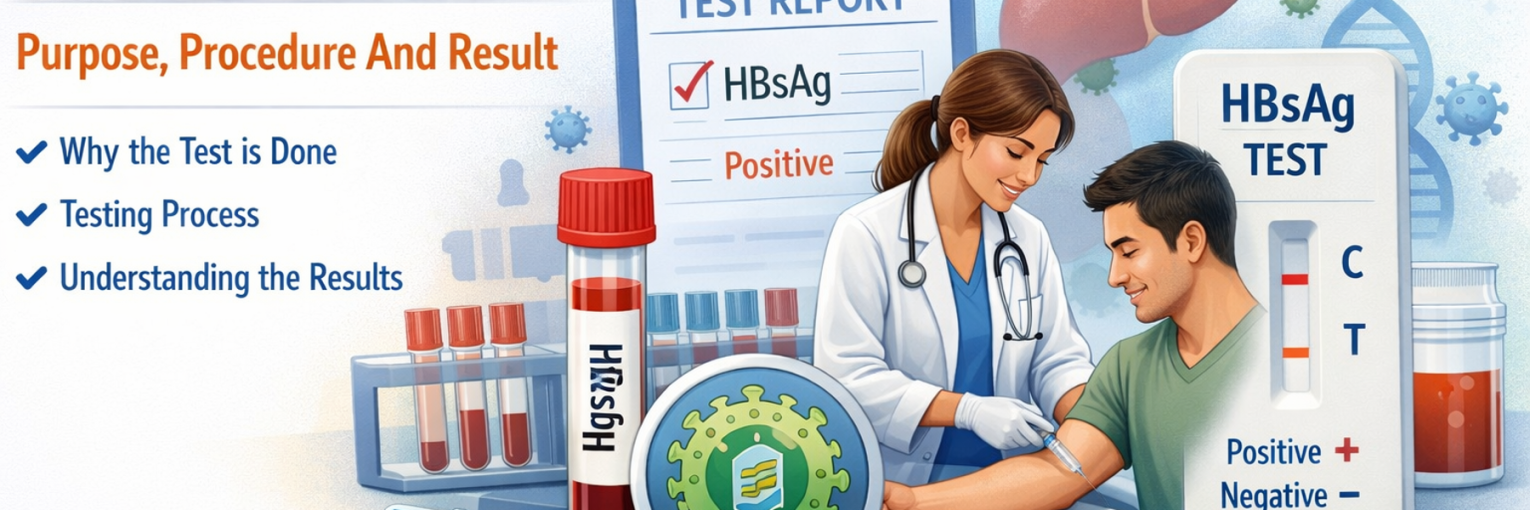
HBsAg Test: Purpose, Procedure and Result
The Hepatitis B Surface Antigen (HBsAg) test is used to detect the presence of hepatitis B surface antigen in your blood. The Hepatitis B Virus (HBV) is a severe DNA virus that affects liver functions and leads to acute and chronic illnesses. The anti-HBcAg test helps to determine if you are actively infected with the…
-
Understanding the MCV Blood Test Parameter
The Mean Corpuscular Volume (MCV) blood test is a useful screening option to get insights into your overall health by measuring the average size of your red blood cells. These test results help doctors to understand how well your body carries oxygen and whether there are any hidden health concerns affecting your blood. In this…
-
Learn What is SGOT Test, Its Procedure, Normal Range and Importance
The liver unassumingly performs many essential functions, including aiding digestion and detoxifying. But issues with this organ often tend to develop without manifesting warning signs. That is why doctors recommend regular testing through an SGOT test even when a person feels no symptoms. Fatigue or feeling unwell are among the reasons for an SGOT blood…
-
APTT Test (Activated Partial Thromboplastin Time): Know the Procedure, Normal Range and Results to Expect
Blood clotting is a natural process that helps to maintain the fluid balance in your body by helping to stop bleeding and support healing if you have any cuts or wounds. In order to check how this system is working, doctors recommend the APTT test (Activated Partial Thromboplastin Time). This test measures the time taken…
-
Sedimentation Rate (ESR) Test: Normal Range and Results
Doctors often rely on the erythrocyte sedimentation rate test as an early step to determine unexplained fevers or persistent joint pain. This test has been a part of routine medical practices for many years because it offers a quicker way to check for signs of inflammation that may not be captured through symptoms alone. In…
-
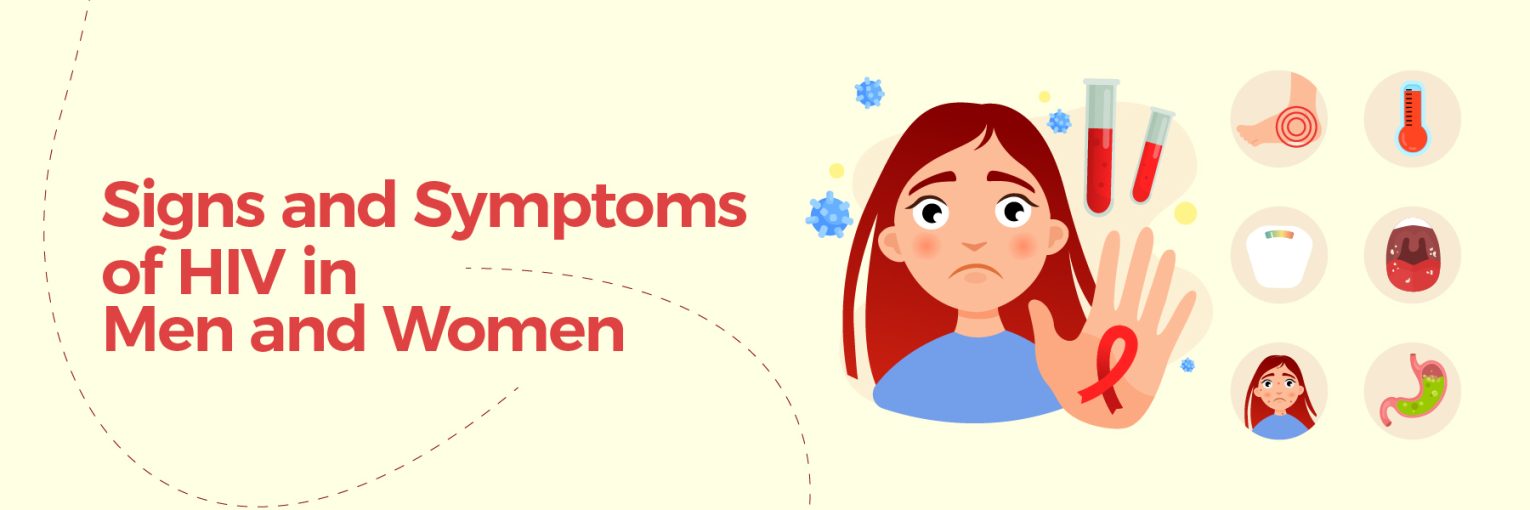
Symptoms and Causes of AIDS or HIV in Men and Women
HIV is a severe global health concern that directly impacts the human immune system. If untreated, it can lead to AIDS, which is the most advanced stage of the infection. Thus, recognising the signs of HIV early becomes important, as timely treatment can prevent AIDS. The symptoms of the AIDS virus often appear when the…
-

Typhoid Fever: Causes, Symptoms and Diagnosis
Typhoid fever is a serious illness. The typhoid fever spreads through contaminated food and water. The main germ that causes it is called Salmonella Typhi. This germ enters the body and makes a person quite sick. Typhoid fever causes high fever, stomach pain, weakness, and sometimes rashes. It can also lead to other problems if…
-

Widal Test: Purpose, Test Result & Normal Range
Widal Test: Purpose, Test Result & Normal Range Typhoid fever remains a public-health challenge in many parts of the world, particularly in South Asia, sub-Saharan Africa, and Latin America. Although new molecular tools have emerged, the Widal test is still performed daily in countless district laboratories because it is inexpensive, swift, and technically uncomplicated. Understanding…
-
Postprandial Blood Sugar Test (PPBS Test)
After every meal, the body digests the carbohydrates and converts them into glucose. This change causes a short-lived rise in circulatory sugar, and the PPBS test – short for postprandial blood sugar – captures that rise with precision. By measuring glucose exactly two hours after eating, the test shows whether insulin and body tissues are…