



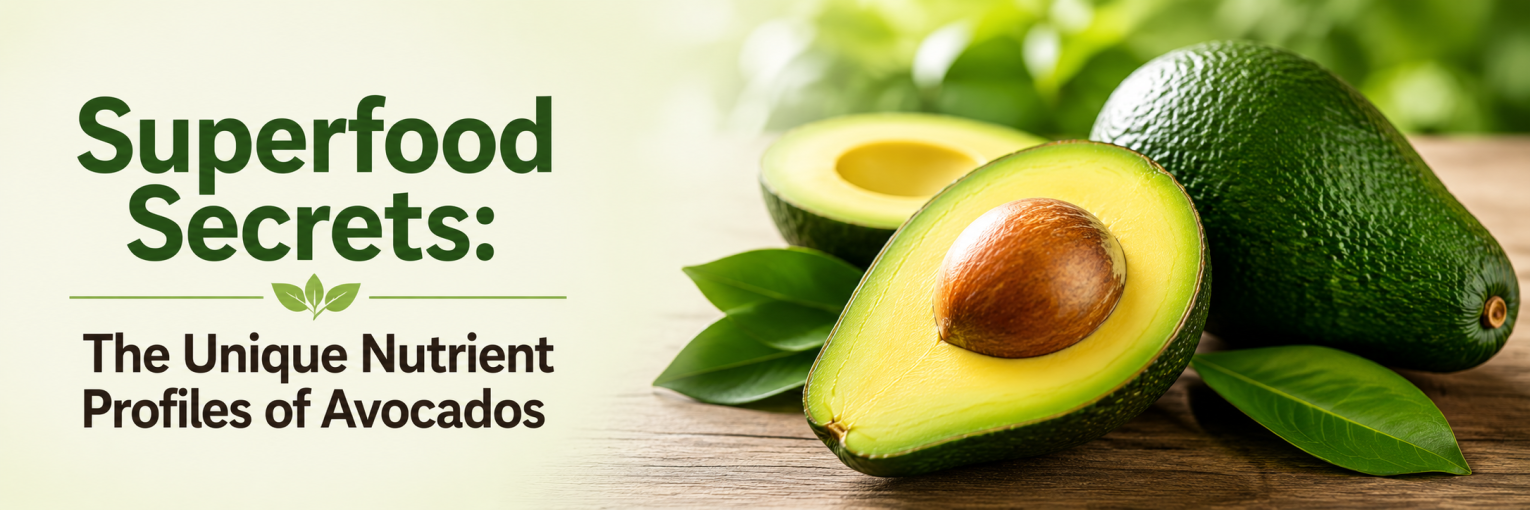
Avocados are no longer just trendy breakfast additions. These days, a lot of people are including them in their meals since they feel satiating, light and easy to pair with different foods. There has been explicit interest in avocado benefits, which arises due to the fruit’s balance of healthy fats, fibre and essential nutrients.
Another reason people choose avocados is the nutritional value of an avocado. The potassium, folate, vitamin E and monounsaturated fats in it are necessary to support wellness while fitting in a variety of balanced eating habits.
The benefits of avocado fruit are generally associated with better satiety after meals. Since the fruit has a creamy texture, it is used as an ingredient in toasts, salads, sandwiches and smoothie bowls without making meals feel excessively heavy. Many discussions around the health benefits of avocado are related to heart health, digestion, skin nourishment and maintaining healthier dietary patterns over time. Let us know more about them:
A medium avocado provides approximately:
| Nutrient | Approximate Amount |
| Calories | 240–320 kcal |
| Fibre | 10–13 g |
| Potassium | 700–900 mg |
| Folate | 80–120 mcg |
| Monounsaturated Fat | 13–15 g |
Values may vary depending on avocado size and variety.
The Nutritional Profile of Avocados: Healthy Monounsaturated Fats and Essential Fibre
Avocados are often made part of balanced diets. This is due to their healthy fats, fibre and several essential nutrients. Even though they might feel creamy and filling, the additional nutritional support it provides is steady without you having to rely on processed ingredients.
Healthy Fats That Support Everyday Wellness
One of the most discussed properties of an avocado is its high amount of monounsaturated fats. Moreover, these are considered to be heart-friendly fats due to their link with balanced eating patterns. They are known to support:
- Promotes satiety after meals.
- Supports cardiovascular health as part of a balanced diet.
- Smoother release of energy.
- Absorption of fat soluble vitamins.
Unlike heavily processed fats, avocados give you these nutrients in an even, natural form, accompanied by fibre and minerals.
Fibre Content and Digestive Balance
Moreover, the nutritional value of an avocado also involves a good amount of dietary fibre. It is necessary for better digestion and to maintain bowel regularity. Since avocados can be extremely satiating, many people add them to lighter meals instead of highly processed snacking foods. The fibre content can contribute to:
- Improved digestion.
- Better fullness between meals.
- Support for balanced eating habits.
- Slower digestion of carbohydrates.
Vitamins, Minerals, and Antioxidant Support
Several avocado health properties are associated with nutrients like potassium, vitamin E and folate, along with antioxidants. Here’s how these nutrients support your health gradually:
| Nutrient/Component | Possible Role in the Body |
| Monounsaturated Fats | Supports heart-friendly nutrition. |
| Dietary Fibre | Helps digestion and fullness. |
| Potassium | Supports fluid balance. |
| Vitamin E | Supports skin and cell protection. |
| Folate | Needed for normal cell function. |
| Antioxidants | Helps reduce oxidative stress. |
Heart Health and Cholesterol: How Oleic Acid Supports Cardiovascular Longevity
This fruit is often included in dietary plans since they are beneficial for your heart. Moreover, the healthy fats, fibre and potassium in it are naturally found in proportionate amounts. In addition, this rich and creamy nutritional profile has usually been associated with better dietary balance rather than unhealthy fat intake.
Oleic Acid and Heart-Friendly Fat Support
One of the important properties of an avocado is its oleic acid content. This compound is a monounsaturated fat that is generally related to cardiovascular wellness and balanced cholesterol support when included as part of a healthy diet.
It may help in ensuring:
- May help support healthy HDL cholesterol levels when replacing saturated fats as part of a balanced diet.
- Reduced intake of processed fats.
- Improved fullness after meals.
- More balanced eating habits.
Some weight-management plans include moderate portions of avocado because its fibre and healthy fats may help promote fullness.
Understanding Avocados and Cholesterol
A common question people ask, ‘is avocado bad for the heart?” because the fruit contains fat. However, avocados mainly contain monounsaturated fats rather than trans fats or highly processed saturated fats often linked with poorer heart health. Along with healthy fats, avocados also provide:
- Dietary fibre.
- Potassium.
- Vitamin E.
- Antioxidants.
These nutrients may contribute to cardiovascular health as part of an overall healthy dietary pattern.
Long-Term Heart Health Depends on Daily Habits
There is no single food that can completely protect the heart on its own. Cumulatively, cardiovascular health is dependent on multiple lifestyle factors. These have to be followed with discipline over time. The following points are involved:
- Regular physical activity.
- Better sleep patterns.
- Reduced processed food intake.
- Stress management.
- Balanced nutrition.
| Nutrient/Component | Possible Cardiovascular Support |
| Oleic Acid | Supports heart-friendly fat intake. |
| Dietary Fibre | may help support healthy cholesterol levels when consumed regularly as part of a balanced diet. |
| Potassium | may support healthy blood pressure as part of a balanced diet. |
| Antioxidants | Helps reduce oxidative stress. |
| Healthy Fats | Supports satiety and balanced eating. |
Enhancing Nutrient Absorption: Why Avocados Help Your Body Absorb Fat-Soluble Vitamins
Typically, avocados are popular for their healthy fats. However, the fruit offers benefits like better digestion, nutrient absorption and steady energy levels in quieter ways. This is the reason a lot of people have them regularly in everyday meals instead of treating them as an occasional health food.
Healthy Fats That Support Nutrient Absorption
Dietary fat from avocados helps improve the absorption of fat-soluble vitamins (A, D, E and K) and certain carotenoids consumed in the same meal.
This is one reason avocados are often paired with:
- Salads.
- Roasted vegetables.
- Grain bowls.
- And finally, breakfast meals with eggs or seeds.
Moreover, the healthy fat content also helps meals become more satisfying. They do not feel excessively heavy when you have them.
Fibre and Digestive Comfort
Other than fats, avocados contain fibre that supports smoother digestion and maintains bowel regularity. Foods rich in fibre generally digest more slowly, and hence, people feel fuller for longer periods between meals.
The avocado effect on body is often connected with:
- Better digestive pacing.
- Reduced overeating between meals.
- More stable energy levels.
- Improved gut comfort over time.
At the same time, the naturally creamy texture makes avocados easier to include in simple meals without you having to prepare them extensively.
Supporting Better Nutrient Use in Everyday Diets
The fats present in avocados might also support the absorption of multivitamins and naturally occurring nutrients from other foods consumed alongside them. Besides, this matters because nutrition is not only about what foods contain. It is also about how the body uses those nutrients afterwards. Avocados also have:
- Potassium for fluid balance.
- Vitamin E and antioxidants that help in the management of oxidative stress.
- Folate for normal cell function.
- Small amounts of magnesium and plant compounds.
Rather than working like a single “superfood solution,” avocados usually contribute best when included consistently within balanced eating habits over time.
Eye Health and Protection: The Role of Lutein and Zeaxanthin in Preventing Degeneration
Modern routines quietly put pressure on the eyes every single day. Issues like screen exposure, lack of sleep, pollution and ageing gradually affect visual comfort. As a result, nutrients like lutein and zeaxanthin are now receiving more attention for the way they support eye health over time.
Lutein and Zeaxanthin Help Protect Eye Tissues
Both of these are natural plant compounds that collect inside important parts of the eye, especially the retina and macula. They work like protective filters and help reduce oxidative stress due to sunlight, screens and environmental exposure.
Regular intake of foods rich in these nutrients may help support long-term eye health:
.
- May help support long-term eye health.
- Reduced strain from long screen hours.
- Support for ageing eyes.
- Healthier retinal function over time.
The effects usually happen gradually. Most importantly, eye health is also based on long-term eating habits instead of quick dietary changes.
Why Avocados Are Often Linked With Eye Health
Avocados naturally contain lutein and healthy fats. These fats are useful because they help the body absorb carotenoids more efficiently from food.
This is how you can introduce avocados to your diet:
- Spinach salads.
- Green smoothies.
- Vegetable bowls.
- Light breakfast meals.
The discussion around avocado for eyes is mostly connected with this combination of healthy fats and antioxidant support. It is less about one “miracle nutrient” and more about how nutrients work together inside the body.
Eye Comfort and the Skin Around the Eyes
The area around the eyes reacts quickly to dehydration, fatigue, stress, and poor sleep.
Homemade avocado masks are sometimes used for cosmetic moisturising, although scientific evidence supporting their effectiveness for under-eye care remains limited.
The homemade avocado eye treatment routines usually focus on temporary moisturising effects and skin freshness. Still, overall eye wellness depends much more on nutrition, hydration, sleep, and regular eye care habits in daily life.
Managing Metabolic Health: Regulating Blood Sugar and Promoting Long-Lasting Satiety
Metabolic health is usually shaped by the way the body handles food throughout the day. Some meals feel heavy after a while. Others leave people searching for snacks again within an hour or two. Then there are certain foods that help meals feel calmer, steadier, and a little more satisfying without making the body feel overloaded. Avocado is often placed in that category.
Healthy Fats That Help Meals Feel More Filling
Avocados contain monounsaturated fats, which take longer to digest compared to highly processed foods. Because of that, meals with avocado often feel slower and steadier in a good way.
This is one reason many people feel avocado is good for balanced eating habits. The body does not always experience that quick cycle of eating, crashing, and feeling hungry again immediately afterwards.
A simple avocado toast or grain bowl can sometimes feel surprisingly satisfying even without overly rich ingredients.
Fibre and More Stable Energy
Avocados also contain fibre, and that changes how digestion moves through the body. Food tends to break down more gradually, which may help support steadier energy after meals instead of sudden spikes followed by tiredness.
That is why discussions around avocado benefits for people with diabetes often focus on this balance of fibre and healthy fats together. The fruit itself is not extremely sweet, yet it still adds texture and fullness to meals naturally.
A lot of people include avocado in homemade breakfasts, wraps, salads, or rice bowls simply because it makes lighter meals feel complete.
Long-Term Balance Matters More
Another thing many people notice about avocado-based meals is that they tend to keep the stomach feeling satisfied for a longer time without making the meal heavy. Over time, this may help reduce random snacking between meals, especially during busy days when eating habits become irregular.
Still, metabolic health is influenced by much more than one particular food. Factors like sleep quality, hydration, physical activity, stress levels and eating patterns are still decisive when it comes to how the body feels and responds in the long run.
FAQs
Can chemo patients eat avocado?
Many chemotherapy patients can eat properly washed and safely handled avocado, but dietary recommendations vary depending on treatment, immune status and individual medical advice.
Why do some doctors say not to eat avocados?
Sometimes doctors restrict avocado intake for patients. This is when they require low-fat diets or when there is a chance of experiencing digestive discomfort. Apart from that, avocados that are not stored properly can increase food safety concerns for some patients.
What illness does avocado treat?
It is not known for directly treating diseases. Its nutrients have been found to support heart health, digestion, skin health, and overall health when you have it in a balanced diet regularly.
What not to mix avocado with?
There are no strict food restrictions. However, pairing it with heavily processed foods or excessive sugary sauces tends to cut down the nutritional balance of a meal.
Which patient cannot eat avocado?
Individuals with chronic kidney disease who require potassium restriction may need to limit avocado intake based on medical advice.
What are the medicinal uses of avocados?
Avocados provide nutrients that support overall health, including healthy fats, fibre, vitamins and minerals. However, they are not considered a medicine or treatment for specific diseases.
Do avocados fight infections?
They contain antioxidants and plant compounds that support immunity. However, they are not a treatment or cure for infections.
Can everyone eat avocado?
Most people can safely include avocado in a balanced diet. However, individuals with avocado allergy or those following potassium-restricted diets, such as some people with advanced kidney disease, should seek medical advice before consuming it regularly.
Disclaimer:
The nutritional information and health benefits described in this article are intended for educational purposes only. Avocados can be part of a healthy and balanced diet, but they are not a substitute for professional medical advice, diagnosis, or treatment. Always consult your doctor or a qualified healthcare provider regarding any medical condition, dietary concern, or treatment plan.