



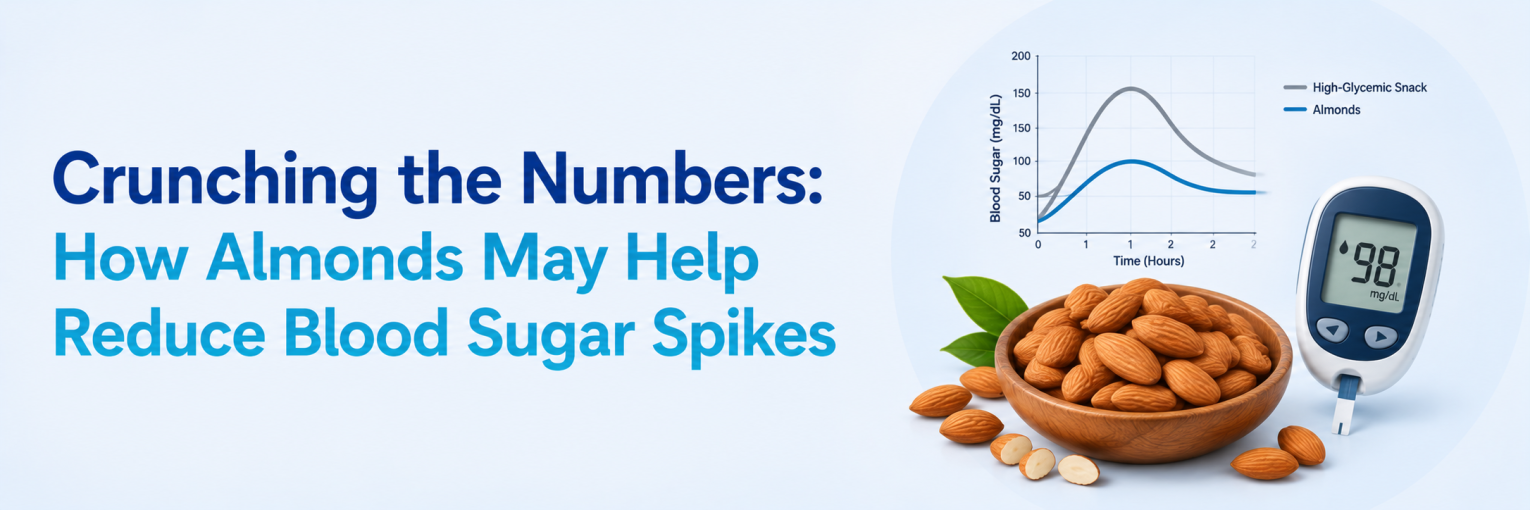
If you have diabetes, you already know how frustrating blood sugar spikes can be. One heavy meal or sugary snack, and suddenly you feel tired, hungry again, or completely drained. That is why food choices matter so much in everyday diabetes management. Among the many healthy snack options, almonds are often talked about for their role in blood sugar control and overall wellness.
That’s why people with diabetes or those trying to keep their glucose levels in check should know about the badam benefits. These nuts are filling, easy to include in meals, and packed with fibre, healthy fats, protein, and magnesium. This article explains how almonds may help support stable blood sugar levels, heart health, and healthy weight management in a natural way.
Nutritional Profile of Almonds: Why the Low Glycaemic Index Matters for Diabetics
Almonds are often described as nutrient-dense foods because they provide a high concentration of beneficial nutrients in a relatively small serving size. Unlike refined snacks that quickly raise blood sugar levels, almonds digest slowly and release energy gradually.
One serving of almonds is approximately one ounce, or around 23 almonds, which equals about one-quarter of a cup. This serving provides:
| Nutrient | Approximate Amount per 1 oz Serving |
| Calories | 165 |
| Protein | 6 g |
| Total Fat | 14 g |
| Carbohydrates | 6 g |
| Fibre | 3 g |
The fat content in badam for sugar patients mainly consists of healthy unsaturated fats:
| Type of Fat | Percentage |
| Monounsaturated fats | 80% |
| Polyunsaturated fats | 15% |
| Saturated fats | 5% |
Apart from healthy fats and protein, almonds are also a rich source of:
- Vitamin E
- Fibre
- Biotin
- Calcium
- Phosphorus
- Magnesium
- Copper
- Flavonoids
- Plant sterols
- Phenolic acids
Understanding the Glycaemic Index
The glycaemic index, often called GI, measures how quickly a food raises blood sugar levels after consumption. Foods with a high GI cause rapid glucose spikes, while low GI foods release glucose more slowly into the bloodstream.
Almonds have a very low glycaemic index because they contain very little digestible carbohydrate. Their combination of fat, fibre, and protein slows down digestion and reduces the speed at which glucose enters the blood.
For people with diabetes, this matters because stable blood sugar levels are associated with:
- Better energy levels
- Reduced demand on insulin regulation
- Lower risk of cravings
- Improved long-term glucose control
- Reduced risk of diabetes complications
Why Nutrient Density Matters
Many packaged snacks marketed as “healthy” may still contain added sugars or refined starches. Almonds stand out because they offer nutritional value without causing dramatic blood sugar fluctuations. The nutrients in badam make them more satisfying than processed carbohydrate-heavy snacks. This can help prevent overeating and reduce frequent snacking on sugary foods.
Managing Post-Meal Blood Sugar Spikes: The Role of Fibre and Healthy Fats
Post-meal blood sugar spikes, also known as postprandial glucose spikes, occur when blood sugar levels rise sharply after eating. Frequent spikes are associated with inflammation, oxidative stress, and increased cardiovascular risk in people with diabetes.
Almonds may help reduce these fluctuations through several mechanisms.
How Fibre Slows Glucose Absorption
Dietary fibre is one of the most important nutrients for blood sugar control. Almonds contain both soluble and insoluble fibre, which support digestion and glucose regulation. When fibre is consumed with meals:
- Digestion becomes slower
- Glucose enters the bloodstream gradually
- Blood sugar rises more steadily
- Feelings of fullness last longer
The fibre in almond badam may help slow carbohydrate absorption and reduce rapid rises in blood glucose.
For example, adding almonds to a breakfast containing carbohydrates may reduce the meal’s overall glycaemic impact. Instead of a rapid sugar spike followed by an energy crash, blood sugar levels remain more stable.
Healthy Fats and Delayed Gastric Emptying
The monounsaturated fats in almonds also contribute to slower digestion. Healthy fats in almonds delay gastric emptying, which means food moves more gradually through the digestive system. This process provides several benefits:
| Benefit | Impact on Blood Sugar |
| Slower digestion | Gradual glucose release |
| Reduced hunger | Less snacking |
| Better satiety | Improved portion control |
| Stable energy | Fewer sugar crashes |
Monounsaturated fats are particularly important because they are linked with improved insulin response and lower inflammation.
Protein Helps Maintain Blood Sugar Stability
Almonds also provide plant-based protein, which contributes to balanced glucose levels. Protein slows carbohydrate absorption and reduces the likelihood of sudden blood sugar increases after meals.
Including protein-rich foods with carbohydrates is often recommended for people with diabetes because it helps create a more balanced metabolic response.
Almonds as a Smart Snack Choice
Many common snacks, such as biscuits, chips, sugary cereals, and sweetened beverages, can rapidly increase blood glucose levels. Almonds provide a healthier alternative because they offer sustained energy without excessive sugar.
Some simple ways almonds may help reduce blood sugar spikes include:
- Eating a small handful before meals
- Adding chopped almonds to porridge or yoghurt
- Using almond butter on whole-grain toast
- Including almonds in salads or vegetable dishes
The goal is not to rely on almonds alone, but to use them as part of a balanced dietary pattern focused on whole foods.
Improving Insulin Sensitivity: How Magnesium in Almonds Supports Glucose Metabolism
Insulin sensitivity refers to how effectively the body’s cells respond to insulin. When insulin sensitivity decreases, the body struggles to move glucose from the bloodstream into the cells. This can eventually lead to insulin resistance and type 2 diabetes.
One of the lesser-known benefits of almonds is that they may support glucose metabolism through magnesium.
Why Magnesium Is Important
Magnesium is involved in hundreds of biochemical reactions within the body. It plays a particularly important role in:
- Glucose regulation
- Insulin signalling
- Nerve function
- Muscle function
- Energy production
Low magnesium levels are commonly observed in people with type 2 diabetes. Inadequate magnesium intake may worsen insulin resistance and make blood sugar management more difficult.
Almonds as a Natural Source of Magnesium
Almonds are considered one of the better natural dietary sources of magnesium. Regular intake may help support healthier insulin activity and improve metabolic balance.
Magnesium in almonds contributes to:
| Function | Role in Diabetes Management |
| Insulin action | Magnesium plays an important role in normal insulin signalling and glucose metabolism. |
| Glucose transport | Assists movement of sugar into cells |
| Energy metabolism | Supports efficient energy production |
| Inflammation control | May reduce metabolic stress |
The Link Between Insulin Resistance and Chronic Disease
Insulin resistance affects blood sugar levels and is also associated with:
- Obesity
- Fatty liver disease
- High blood pressure
- Cardiovascular disease
- Polycystic ovary syndrome
Improving insulin sensitivity through diet and lifestyle changes can therefore have benefits that extend beyond diabetes management.
Combining Almonds with Other Healthy Habits
Although almonds may support insulin sensitivity, they work best alongside other lifestyle measures such as:
- Regular physical activity
- Adequate sleep
- Stress management
- Balanced meals
- Reduced intake of refined sugar
No single food can “cure” diabetes, but consistent healthy eating patterns can significantly improve blood sugar control over time.
Heart Health and Diabetes: Reducing LDL Cholesterol and Cardiovascular Risks
People with diabetes face a higher risk of cardiovascular disease compared to the general population. High blood sugar levels can damage blood vessels over time and increase the risk of heart attacks and strokes.
This makes heart health an essential part of diabetes management.
How Almonds Support Cardiovascular Health
Almonds contain several nutrients linked with heart protection, including:
- Monounsaturated fats
- Vitamin E
- Fibre
- Plant sterols
- Antioxidants
Many people consume almonds for heart health. The compounds present in these nuts may help reduce harmful cholesterol levels and support healthier blood vessels.
Lowering LDL Cholesterol
LDL cholesterol is often called “bad cholesterol” because elevated levels can contribute to plaque buildup inside arteries.
Research suggests that regular almond consumption, as part of a balanced diet, may help support healthy LDL cholesterol levels.
| Nutrient in Almonds | Potential Cardiovascular Benefit |
| Monounsaturated fats | May reduce LDL cholesterol |
| Fibre | Supports cholesterol removal |
| Vitamin E | Helps reduce oxidative stress |
| Plant sterols | May reduce cholesterol absorption |
Antioxidants and Blood Vessel Protection
Oxidative stress plays a major role in diabetes complications. Almonds contain antioxidants, particularly vitamin E and flavonoids, which may help protect cells from damage. Healthy blood vessels are important for maintaining proper circulation and reducing cardiovascular strain.
Blood Pressure and Magnesium
Magnesium may also contribute to healthier blood pressure levels. Since high blood pressure frequently occurs alongside diabetes, foods containing magnesium can be beneficial for overall cardiovascular well-being.
Weight Management for Diabetics: How Almonds Increase Satiety and Reduce Cravings
Maintaining a healthy body weight is one important factor in improving blood sugar management. Excess body weight, especially around the abdomen, can worsen insulin resistance and increase diabetes risk. One reason many people struggle with weight management is constant hunger and cravings. Almonds may help address both issues.
Why Almonds Are Filling
Many people opt for weight loss with almonds because they contain a combination of:
- Protein
- Fibre
- Healthy fats
This trio promotes satiety, which means a person feels fuller for longer after eating.
Unlike highly processed snacks that digest quickly and trigger hunger soon after, almonds provide more sustained satisfaction.
Reducing Unhealthy Snacking
Frequent cravings for sugary or refined foods can make diabetes management difficult. Because almonds stabilise energy levels, they may help reduce the urge to snack excessively between meals. This can help with blood sugar control and also support healthier eating habits overall.
Portion Control Matters
Although almonds are nutritious, they are also calorie-dense. Eating excessive amounts may contribute to excess calorie intake. If you are having almonds for weight loss, a moderate serving is usually enough to obtain benefits without overconsumption.
Almonds and Metabolic Health
Research suggests that regular nut consumption may support a healthier body weight despite the calorie content. This may be due to improved satiety and reduced intake of less nutritious foods.
Some research suggests that the body may not absorb all of the fat contained within whole almonds due to their physical structure.
Healthy Ways to Include Almonds in the Diet
Some practical ideas include:
Breakfast Options
- Add sliced almonds to oats
- Mix into unsweetened yoghurt
- Blend into smoothies
Midday Snacks
- Eat a handful of plain almonds
- Combine with roasted chickpeas
- Pair with fruit for balanced energy
Meal Additions
- Sprinkle over salads
- Add to vegetable stir-fries
- Use almond paste in curries
Choosing the Healthiest Forms
For people managing diabetes, the best options are:
- Raw almonds
- Dry roasted almonds
- Unsalted varieties
Sugary coatings, chocolate-covered almonds, or heavily salted versions may reduce the overall health benefits.
Conclusion
Managing diabetes requires more than cutting down on sugar. A balanced lifestyle that supports healthy blood glucose levels, heart health, and weight management is equally important. Almonds can be a beneficial addition to a diabetes-friendly diet because they contain fibre, healthy fats, magnesium, protein, and antioxidants that may help reduce blood sugar spikes and improve overall well-being.
Their low glycaemic index also makes them a smart snack choice for sustained energy. Alongside healthy eating and regular exercise, routine diabetes tests are essential. Vijaya Diagnostics provides diagnostic and preventive healthcare services to help monitor blood sugar and overall metabolic health.
FAQs
How many almonds should I consume daily for diabetes management?
A moderate serving of about 23 almonds, or one ounce, is generally considered suitable for most adults. It is best to include them as part of a balanced diet rather than consuming large quantities at once.
What nutrients do almonds contain that are beneficial for diabetes?
Almonds contain fibre, magnesium, healthy monounsaturated fats, protein, vitamin E, and antioxidants. These nutrients may help support blood sugar control, insulin sensitivity, and heart health.
How can I incorporate almonds into my daily diet?
You can add almonds to porridge, yoghurt, salads, smoothies, or simply eat them as a snack between meals. Choosing unsalted and minimally processed almonds is usually the healthiest option.
Can almonds cause allergic reactions?
Almonds are tree nuts and can trigger allergic reactions in some individuals. Anyone with a known nut allergy should avoid almond products unless advised otherwise by a healthcare professional.
Is there a recommended way to store almonds to maintain their freshness?
Almonds should be stored in an airtight container in a cool, dry place away from direct sunlight. Refrigeration can help maintain freshness for a longer period, especially in warm climates.
Are there any specific ways to prepare almonds for the best health benefits?
Raw or dry roasted almonds are generally considered healthier than sugar-coated or heavily salted versions. Soaking almonds overnight is also a common practice and may improve texture and digestibility for some people.
Are raw almonds better than roasted almonds for diabetics?
Raw almonds retain their natural nutrient profile, while dry-roasted almonds can also be a healthy option if no excess salt or sugar is added. Deep-fried or flavoured almonds with added ingredients are usually less suitable for diabetes management.
Who Should Be Careful with Almond Consumption?
- Individuals with tree nut allergies
- People with severe kidney disease (due to potassium and phosphorus restrictions in some cases)
- Individuals on calorie-restricted diets who consume large quantities of nuts
Disclaimer:
This article is intended for informational purposes only and does not replace professional medical advice. Almonds can be part of a healthy, diabetes-friendly diet, but they should not be used as a substitute for medical treatment, diagnosis, or personalised nutritional guidance. Consult a healthcare professional for advice tailored to your individual health needs.