



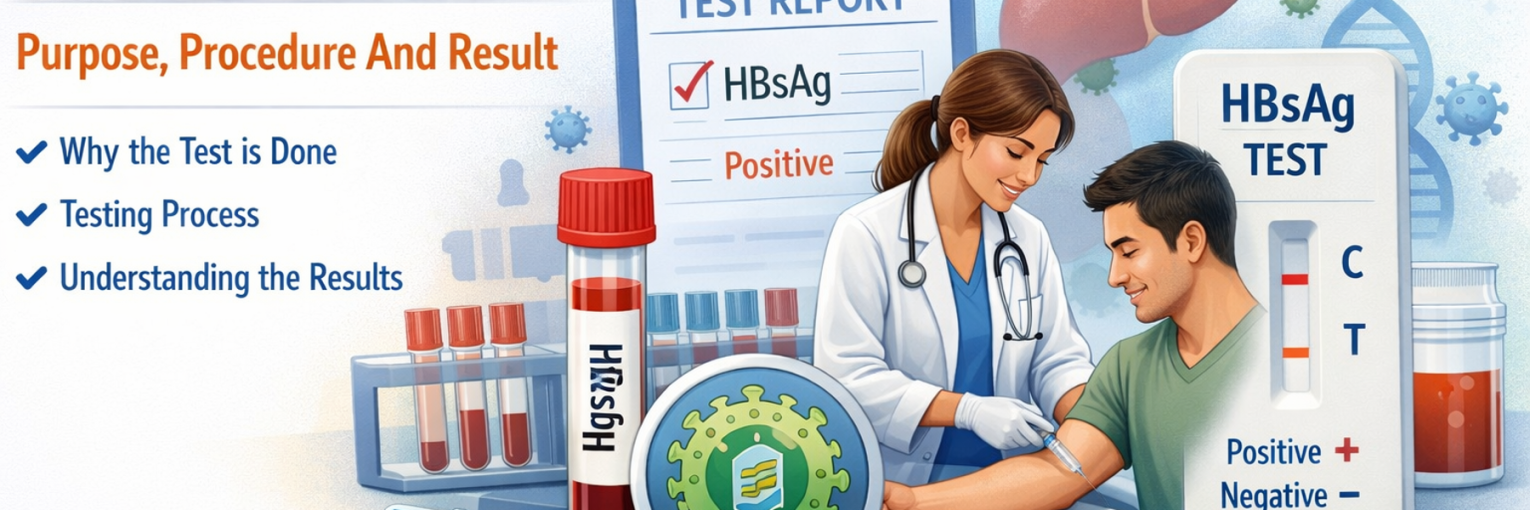
The Hepatitis B Surface Antigen (HBsAg) test is used to detect the presence of hepatitis B surface antigen in your blood. The Hepatitis B Virus (HBV) is a severe DNA virus that affects liver functions and leads to acute and chronic illnesses. The anti-HBcAg test helps to determine if you are actively infected with the virus. The Hepatitis B Surface Antigen test is usually done as part of the hepatitis B panel test.
Here in this guide, we will discuss the purpose of the HbS antigen test, how it works and what results you can expect.
Understanding the HBsAg Test
HBsAg is a protein present on the outer layer of the HBV, and it is the initial marker to appear in the blood after infection to indicate the presence of the virus in your body. The HbsAg test is used for detecting the virus that is actively circulating and affecting liver functions. If you are infected with the hepatitis B virus, your liver cells can be injured by the virus, and the liver enzymes can be leaked into the bloodstream.
The HBsAg test purpose reflects its ability to prevent the spread of this infection. Hepatitis B Surface Antigen test is commonly used in blood donation screening to ensure safe transfusion, during pregnancy to prevent mother-to-child transmission and to monitor patients at high risk. If the person’s test result shows positive, then further testing is needed to determine if this is an acute or chronic hepatitis B infection.
Purpose of the HBsAg Test
In many situations, your doctor may recommend that you take the hepatitis B surface antigen test. Most of the time, the HbSag test is used for screening, diagnosis, monitoring, and blood donation.
Screening
You may be advised to take the Hepatitis B Surface Antigen test as a routine check-up if you are pregnant, work in a clinic or hospital, or live in a region prone to this virus. The HBsAg test purpose is to detect hepatitis B infection early because some patients do not feel unwell at first, yet they can spread the virus. By understanding your health condition, you can take necessary steps to stop the growth of this infection.
Diagnosis
The HBsAg test is for identifying hepatitis B infection when symptoms such as fatigue, abdominal pain, or yellowness in the skin or eyes appear. This screening helps to separate hepatitis B from other liver problems that can look similar.
Monitoring
Patients who are infected with HBV often have to conduct repeated HBsAg testing to monitor disease status. If the test eventually turns negative, it usually means the body has been cured of the infection.
However, if the test stays positive for longer than six months, it shows that the infection has become chronic, and doctors have to repeatedly check health conditions. Regular monitoring also helps to track how the virus is affecting the body or whether it is causing liver damage.
Blood Donation Safety
During blood donation, clinicians conduct hepatitis B surface antigen testing to make sure the donor is not infected with this virus. As a result, this step acts as a protective layer to safeguard blood transmission to the receiver.
Who Should Get Tested?
The HBsAg test is recommended for every adult over 18 years of age. Specifically, it is suggested for high-risk populations such as healthcare workers, pregnant women, patients with chronic liver disease and people who are exposed to infected blood. Here are all of them mentioned:
Healthcare Workers
Understanding the HBsAg test purpose in this scenario helps ensure early detection and proper follow-up care. Healthcare professionals are at increased risk of exposure to HBV because they often stay in contact with infected patients and objects that may carry virus agents. Healthcare staff such as doctors, nurses and trainees have to undergo post-vaccination testing for antibodies to the hepatitis B vaccine antigen between 3 to 4 months.
However, if healthcare workers are exposed to a patient who is HBsAg positive, the baseline testing for HBV infection should be conducted as soon as possible.
Pregnant Women
Babies born to a mother with hepatitis B have a greater than 90% chance of developing chronic hepatitis B if they are not properly treated during birth. In this regard, HBsAg screening is recommended for all pregnant women to prevent any complications. Further testing may be required for pregnant women who get positive results for HBsAg. Besides that, HBV DNA is recommended to determine if maternal antiviral therapy or relevant medical assistance is required to prevent transmission to the child.
Chronic Liver Disease
Hepatitis B surface antigen is essential for people who have chronic liver disease. Pre-checkups are essential for these diseases as it can lead to severe complications such as cirrhosis. Regular HBsAg testing helps find out if hepatitis B infection is causing liver damage.
Chronic HBV infection can speed up fibrosis, which raises the risk of hepatocellular carcinoma, and worsens outcomes for patients with existing liver issues. In this regard, early detection through HBsAg allows for timely intervention, monitoring of viral activity, and starting treatment strategies to protect long-term liver health.
Patients Who Have Made Contact with Infected Blood
People who have travelled to locations that may have been contaminated with HBsAg should perform this screening. It safeguards the population from spreading the virus and protects the person from further complications. At the same time, people who have been performing unprotected sexual activities are also recommended to take this test.
HBsAg Test Procedure
The process to take the HBsAg test requires following some specific considerations. Here are one-by-one, each of them is mentioned:
Preparation Stage
The preparation step for the HBsAg test is simple, and it does not require any special steps before the blood is drawn. You can eat and drink as usual before the test, and doctors often advise being hydrated. Also, you need to inform your doctor if you are taking any other medication or not.
Blood Sample Collection
The hepatitis B surface antigen includes collecting a blood sample from your arm’s veins. To perform this, your doctor ties a band around your upper arm and may ask you to make a fist for better blood flow. Then the blood collection site of your arm will be cleaned with an antiseptic to prevent infections. After that, your blood sample will be collected within 5 to 10 minutes. Once the sample is collected, a Band-Aid or Bandage will be applied to the particular arm. You can also opt for the hepatitis B rapid test kit for faster results.
Overall Testing Process
After your blood is received and sent to the laboratory, it is tested to find out whether it has hepatitis B surface antigens. To test for HBV in your blood, rapid diagnostic tests, enzyme immunoassays, and nucleic acid tests can be performed. The purpose of this testing process is to determine whether or not you have the HBsAg protein in your blood. The results will be ready in a few days, and you will know whether you are infected with HBV or not.
Understanding HBsAg Test Results
In order to take the correct steps after the hepatitis B surface antigen test, you need to know what each result means. Here, we will classify the normal and HBsAg-positive treatment results to better interpret each result.
Normal HBsAg Test Result
A normal HBsAg result indicates that you are not infected with active hepatitis B virus (HBV) infection. Further testing for the hepatitis B surface antibody may be required if your immunity is reduced from past infection or vaccination. These checkups become more necessary if you have a history of blood transfusions, unsafe injections, or a family history of liver disease.
Positive HBsAg Test Result
If the test results show positive, it means you have the hepatitis B virus present in your blood, and HBV can spread to others. For HBsAg positive treatment, you have to consult with a doctor for further evaluation. In this step, you may need additional testing for six months for acute conditions and more than six months for chronic conditions. Your doctor may also perform HBV DNA testing to measure the amount of HBV in your blood and perform an ultrasound to check your liver status.
Conclusion
The HBsAg test helps to detect if you are infected with HBV, which specifically affects liver functions. This test is often conducted for pregnancy screening, diagnosing health concerns, monitoring HBV in patients who are infected with this virus and as a safety measure for blood donation. All of these purposes help to prevent the spread of this virus across the community.
This test is conducted in three stages, which are preparation, blood sample collection and overall testing to get an accurate result. A timely detection can help you to detect the presence of the hepatitis B surface antigen in your body and will help to take the necessary steps.
FAQs
1. What is the normal range for the HBsAg test?
The normal HBsAg test result indicates a negative hepatitis B virus (HBV) infection, which is typically considered to be less than 5 mIU/mL. The result of more than 12 mIU/mL suggests protective immunity. However, results between 5 and 12 mIU/mL are considered intermediate, and it should be repeated for clarification. However, the results that fall between borderline are called the grey zone, and it often requires repeat or confirmatory testing. This recheck is conducted to reduce the probability of false negatives and positives.
2. How is the HBsAg test performed?
The HBsAg test is performed by collecting your blood sample from your arm’s vein after cleaning the site with an antiseptic. After that, this blood sample is sent to a laboratory for analysis. In the lab, the sample is examined for hepatitis B surface antigens. It is the protein found on the virus’s surface and indicates an active infection. Most of the time, this sample collection is completed within 10 – 20 minutes.
3. Can HBsAg be cured if positive?
Currently, there is no complete cure available that can fully eliminate HBV from your body. However, you can take the necessary medication to control the infection and reduce the risk of liver damage. In some situations, your immune system can clear the virus on its own. However, people who are diagnosed with chronic infection, antiviral medications and regular monitoring can help to prevent the spread of this virus across the community and serious complications.
4. Is fasting required before the HBsAg test?
It is not mandatory to fast before the HBsAg test. You can simply go to the clinic/hospital, and your blood sample will be collected from your arm’s vein within a few minutes. You can eat and drink normally unless your doctor has instructed you to take specific medication. Fasting is required when you are going to take additional tests, such as the liver function panel, blood sugar, or lipid profile, along with the HBsAg test.
5. What does a reactive HBsAg result mean?
A reactive HBsAg result determines that hepatitis B surface antigen has been detected in your blood. This could represent either a recent or long-term infection if the antigen remains in your blood for more than six months. A reactive result also means that you may be infected and prone to transmitting the virus to others.
After reviewing this result, your doctor may recommend additional tests, such as liver function tests, HBV DNA quantification, and hepatitis B e-antigen (HBeAg), to determine the stage of infection. These additional tests are conducted to assess the virus activity and guide treatment ot monitoru decisions.
6. Who needs to get an HBsAg test?
HBsAg screening is recommended in individuals who are at high risk of exposure to and transmission of HBV. This is the list of groups that need to do this test:
- Pregnant Women
- First responders, healthcare workers and laboratory workers.
- Patients under long-term hemodialysis or under frequent transfusions.
- People who have been on a trip to an infected area.
- Patients who have abnormal liver enzymes or clinical liver disease.