



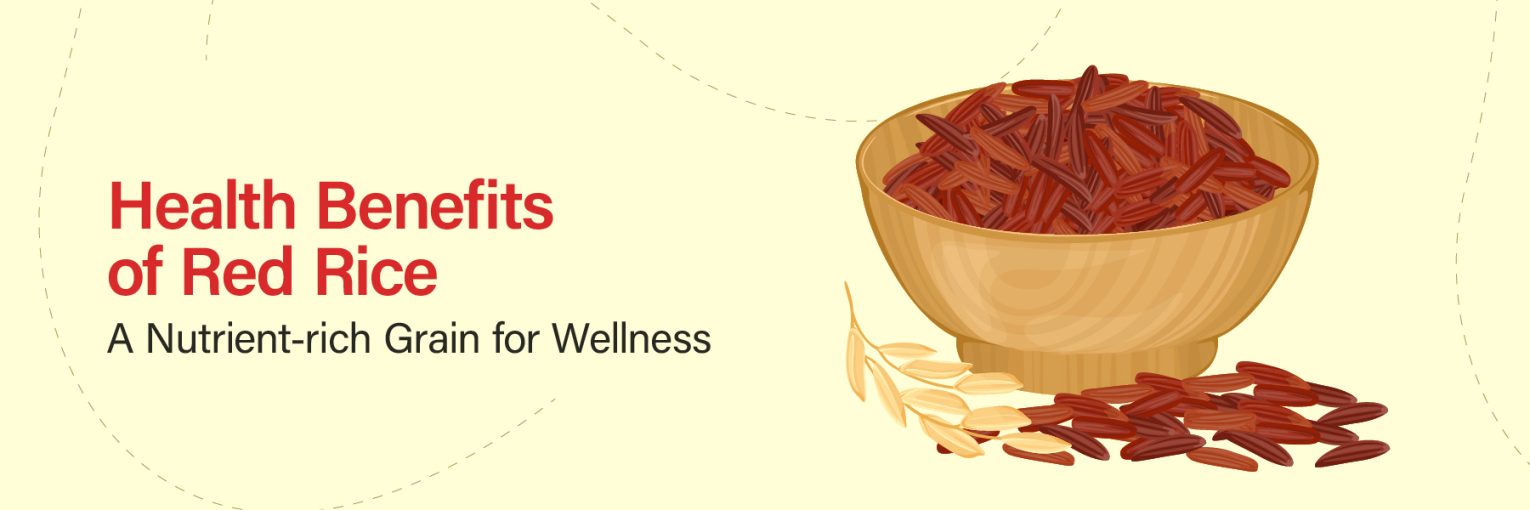
Red rice is becoming popular in many homes today. People are choosing it over regular white rice because it offers more goodness. Many nutrition experts recommend including whole grains like red rice in your diet. This is because the red rice benefits are too strong to ignore.
Eating red rice every day can support overall wellness. It keeps the body active and energetic. It can also help in managing weight and digestion. The advantage of red rice is that it gives strength without causing tiredness. It is also easy to cook and can be paired with many dishes.
More people are now learning about the power of whole grains. Among them, red rice stands out because it is packed with natural nutrients. If you are trying to switch to a healthier lifestyle, this grain can be a smart choice. This blog will highlight the many red rice benefits and why it deserves a place in your kitchen.
What is Red Rice?
Red rice has a natural reddish-pink colour. This colour comes from special plant pigments present in the outer layer of the grain. These pigments are also found in foods like berries and purple vegetables.
There are various types of red rice grown all over the world. Two of the better-known varieties are Himalayan red rice and Thai red cargo rice. They taste mildly nutty and have a firm, chewy texture when cooked.
Unlike regular white rice, this grain is not heavily polished. It keeps its outer layers, which are filled with natural goodness. This helps it stay rich in nutrients even after cooking.
People enjoy it with curries, vegetables, and even in salads. It adds both flavour and colour to the plate.
Nutritional Profile of Red Rice
One of the main reasons for the many red rice benefits is the strong nutrition it offers. Even a half-cup serving of cooked red rice provides around 150 calories, 32 g of carbohydrates, about 3 g of protein, and roughly 2 g of fibre. These nutrients in red rice are good for energising the system and maintaining strength in the body.
But what’s even better is that it’s full of antioxidants. It is also full of flavonoids like anthocyanins, myricetin and quercetin. These play a powerful role in helping neutralise harmful free radicals in the body.
Red rice has a significantly higher antioxidant profile than white rice and is comparable to, though usually slightly lower than, black rice in anthocyanin content.
With such a heavy nutrient and antioxidant profile, red rice is clearly a wise and healthy addition to meals.
Key Health Benefits of Red Rice
There are many red rice benefits that make it a smart choice for daily meals. The biggest advantage of red rice is that it supports the whole body in simple and natural ways. It does not act like a quick fix. Instead, it helps the body stay strong over time.
Heart Health
Red rice is good for keeping the heart active and strong. It contains fibre and antioxidants that support smooth blood circulation in heart. When blood flows properly, the heart does not have to work too hard. This may help support heart health and cholesterol management when included in a balanced diet
Eating it regularly can also help control bad cholesterol. A healthy heart means better stamina and a longer life.
Weight Management
Red rice takes time for digestion, and so the stomach remains full for a longer time. It helps prevent sudden hunger pangs and wasteful grazing. It is also suitable for inclusion in any healthy dietary plan as it’s high in fiber and low in unhealthy fats. Including it in your lunch or dinner can help you control your weight, without leaving you feeling weak or tired.
Diabetes-Friendly
Red rice has a lower glycemic index than white rice, meaning it releases sugar more slowly into the bloodstream. When eaten in moderation it can be a better choice for people managing blood sugar levels.
Immunity & Energy
Red rice contains minerals and antioxidants that protect the body from common infections. It also provides steady energy throughout the day. This makes it great for children, adults, and even the elderly. It keeps the body active without causing sudden tiredness.
Bone & Skin Health
It is also great for bone health since it has magnesium and other essential minerals. These contribute to bone strength and support bone health.
It also works to promote skin health by helping reduce oxidative stress. Healthy skin and strong bones are also indicative of a healthy lifestyle.
Promotes Digestive Health
Red rice has fiber, which helps move the food into your intestine smoothly. That’s because it slows digestion and doesn’t lead to a sugar spike. It also supports the growth of good gut bacteria. It also prevents constipation and is good for keeping the stomach light & comfortable. Incorporating this red grain into your meals could help you keep a healthy gut.
Helps Fight Against Asthma
Red rice also has antioxidants, such as anthocyanins and quercetin, two compounds that reduce inflammation in the body. There is no proof that red rice can prevent asthma. While there is no scientific proof that red rice prevents or treats asthma, its antioxidant and anti-inflammatory compounds may support overall respiratory health.
Red Rice in Daily Diet
You can include red rice in various meals that you usually eat. A red rice diet can help you to maintain good general health and fill you up for longer. It’s an amazing choice for when you’re looking to eat healthy without sacrificing taste.
One of the biggest benefits of red rice is that it gets digested slowly. It is popular among people who want to lose weight. Red rice for weight loss is beneficial as it can keep away unnecessary hunger pangs and urges to snack. It gives you more stable energy throughout the day and avoids spikes in your blood sugar. To put it in a nutshell, red rice is good for weight loss naturally and safely.
Simple Red Rice Recipes to Try
Here are a few easy and nutritious recipes to try:
1. Mexican Red Rice
Cook red rice until soft. Heat a little oil in a pan and sauté chopped onions and garlic. Add tomato puree, cumin powder, and a pinch of chilli powder. Stir well. Toss in boiled corn, capsicum, and beans. Add the cooked rice and mix gently. You can squeeze lemon juice on top before serving. It tastes like a mild Mexican-style rice bowl and can be enjoyed on its own or with grilled vegetables.
2. Red Rice Salad
Take cooked and cooled red rice in a bowl. Add some chopped veggies. Squeeze lemon juice and sprinkle salt. Add roasted peanuts or corn if you like extra crunch. Mix well and enjoy a fresh, colourful salad. It is great for lunch or as a light dinner.
3. Red Rice Vegetable Pulao
Wash and soak red rice for 30 minutes. Heat oil in a pan or cooker and add cumin seeds. Add onions, ginger-garlic paste, peas, beans, and carrots. Stir for a minute. Add the soaked rice, water, salt, and light spices like turmeric and garam masala. Cook until soft. It is a tasty one-pot meal.
4. Red Rice Khichdi
Wash red rice and yellow moong dal together. In a pressure cooker, add oil, cumin seeds, and a pinch of asafoetida. Add the rice and dal mixture along with turmeric and salt. Pour enough water and cook until soft. Mash slightly if you want a smoother texture. It is gentle on the stomach and perfect for a calm, light meal.
Comparison with Other Rice Varieties
When we talk about red rice vs white rice, the difference is very clear. White rice is soft and easy to eat, but it loses most of its fibre and nutrients during polishing. Red rice, on the other hand, keeps its outer layers and offers more vitamins, minerals, and antioxidants. It keeps the stomach full for longer and gives more steady energy.
Now, let us see red rice vs brown rice. Brown rice is healthier than white rice because it still has its bran layer. However, red rice goes one step ahead with even more antioxidants and minerals. It also has a richer colour and stronger flavour, which makes it more powerful for long-term health. Here is a quick comparison:
| Feature | White Rice | Brown Rice | Red Rice |
| Processing Level | Highly polished | Lightly polished | Minimally processed |
| Fibre Content | Very low | Moderate | High |
| Antioxidants | Almost none | Moderate | Very high |
| Digestion Speed | Fast | Medium | Slow and steady |
| Best For | Quick energy | Basic healthy eating | Long-term health and strength |
| Cooking Time | Short | Medium | Long |
| Taste & Texture | Soft and plain | Slightly nutty | Nutty and chewy |
| Glycemic Index | ≈ 73 | ≈ 68 | ≈ 55–60 |
Note: Pregnant women, athletes, and individuals with diabetes can benefit from red rice as part of a balanced diet, but should consult a nutritionist for personalised portions.
Precautions & Considerations
While red rice is healthy, it is important to keep a few things in mind to avoid any problems. Here are some simple points to remember:
- Some people may find red rice hard to digest if they eat too much at once. Start with small portions.
- Red rice has more fibre, so drinking enough water is important to avoid stomach discomfort.
- If you are not used to whole grains, sudden high intake may cause bloating. Increase slowly.
- People with chronic kidney disease should limit high-potassium and high-phosphorus foods, including red rice, as these minerals can accumulate when kidney function is impaired.
- Eating only red rice and skipping other foods may lead to an unbalanced diet. Mix it with vegetables and proteins.
- One of the common red rice disadvantages is that it takes longer to cook compared to white rice. So plan your meal.
- If buying outside, choose good-quality red rice from trusted brands to avoid impurities.
These small precautions can help you enjoy all its benefits without any trouble.
Conclusion
Red rice is an easy way to infuse strength, taste and health into your diet. From aiding digestion to improving heart health, there are a plethora of natural ways it supports our bodies. It also naturally and easily fits with healthy lifestyles, whether your focus is weight management or energy improvement.
With simple recipes and flexible use, anyone can begin incorporating it without changing their entire routine. So, make red rice a regular part of your plate and enjoy both taste and health in every bite.
FAQs:
Is red rice healthier than white rice?
Yes, red rice is healthier than white rice because it keeps its outer layers, which contain fibre, antioxidants, and minerals. White rice loses most nutrients during polishing. Red rice also digests slowly, keeps you full longer, and supports better heart health and energy levels.
Can red rice be eaten daily?
Yes, red rice can be eaten daily in small or moderate portions. It is safe for most people and provides steady energy throughout the day. However, it is better to start slowly and drink enough water because its high fibre content may be heavy for beginners.
What are the main health benefits of red rice?
Red rice promotes good digestion, heart health, and improved blood circulation. It also aids in weight and sugar control. The antioxidants in it are good enough to protect the body from toxins and support immune function. Regular consumption helps you stay fit and healthy from within.
Is red rice good for weight loss?
Yes, red rice is good for weight loss as it’s a slow-digesting carbohydrate, which keeps you full for an extended period and prevents you from overeating later. It helps reduce hunger cravings. It is a wonderful addition to any healthy meal plan for most adults and serves as a great energy source without the added fat.
Is red rice safe for people with diabetes?
A diabetic individual can eat red rice in limited quantities. Its low glycemic index helps with steady control and management of diabetes. This helps to maintain stable blood sugar levels and prevents sugar spikes and drops. It can provide long-lasting energy without the crash.