



-
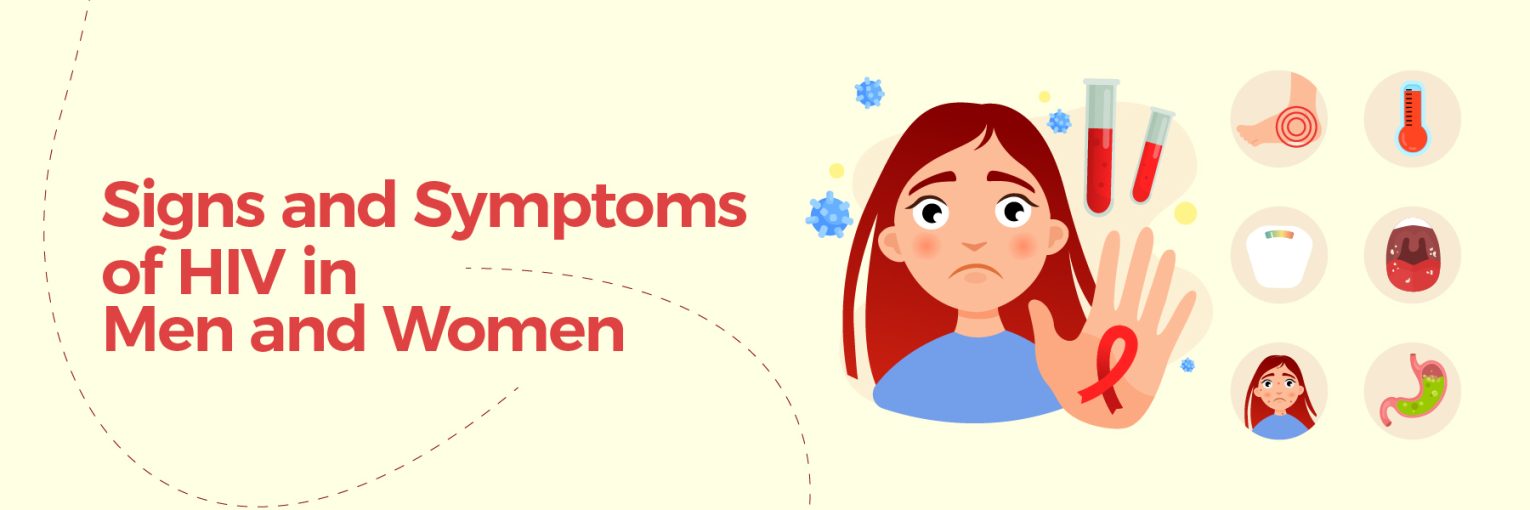
Symptoms and Causes of AIDS or HIV in Men and Women
HIV is a severe global health concern that directly impacts the human immune system. If untreated, it can lead to AIDS, which is the most advanced stage of the infection. Thus, recognising the signs of HIV early becomes important, as timely treatment can prevent AIDS. The symptoms of the AIDS virus often appear when the…
-
Typhoid Fever: Causes, Symptoms and Diagnosis
Typhoid fever is a serious illness. The typhoid fever spreads through contaminated food and water. The main germ that causes it is called Salmonella Typhi. This germ enters the body and makes a person quite sick. Typhoid fever causes high fever, stomach pain, weakness, and sometimes rashes. It can also lead to other problems if…
-
Widal Test: Purpose, Test Result & Normal Range
Widal Test: Purpose, Test Result & Normal Range Typhoid fever remains a public-health challenge in many parts of the world, particularly in South Asia, sub-Saharan Africa, and Latin America. Although new molecular tools have emerged, the Widal test is still performed daily in countless district laboratories because it is inexpensive, swift, and technically uncomplicated. Understanding…
-
Postprandial Blood Sugar Test (PPBS Test)
After every meal, the body digests the carbohydrates and converts them into glucose. This change causes a short-lived rise in circulatory sugar, and the PPBS test – short for postprandial blood sugar – captures that rise with precision. By measuring glucose exactly two hours after eating, the test shows whether insulin and body tissues are…
-
What is Normal HbA1c?
HbA1c is a blood test that shows your average blood sugar over the past 2–3 months. Doctors use it to check for diabetes or see how well treatment is working. The test is simple and does not need fasting. Knowing your haemoglobin A1c normal levels helps prevent complications from high blood sugar. If your HbA1c…
-
Pus Cells in Urine: Understanding Pyuria, Treatment, and Tests
The meaning of pus cells in urine is commonly associated with white blood cells that show up when your urinary tract is infected. Usually, only a few white blood cells are present, but when the number is higher than expected, this condition is called pyuria. It is commonly discovered during the urine test. However, pyuria…
-
Grade 1 Fatty Liver Causes, Symptoms, Treatment, and Lifestyle Changes
Grade 1 fatty liver is the earliest stage of fat build-up in the liver. It happens when too much fat stays inside the liver cells. This stage is very common, and many people may have it without knowing. Doctors call this the mildest form of fatty liver disease. At this point, the liver still works…
-

Diet and PCOD: How Nutrition Can Influence Symptoms and Management
Clinically the condition is usually called PCOS (polycystic ovary syndrome); PCOD is a commonly used alternative name in some regions. PCOD, or Polycystic Ovarian Disease, is one of the most common health problems faced by women. PCOS affects several percent of women of reproductive age (estimates vary by population and diagnostic criteria — commonly reported…
-

Double Marker Test: What it is and What Happens During it?
Many women feel uncertain about the position and condition of the foetus during the initial pregnancy tests. During pregnancy, the developing foetus can have chromosomal abnormalities that may lead to multiple complications. Chromosomal abnormalities occur due to the incorrect number of chromosomes, wrong genetic information within a chromosome, or structural issues in the chromosomes. To…
-
Tips to Reduce Uric Acid Levels
Modern living often sneaks in hidden risks, and soaring uric acid levels are one of them. Medical professionals define uric acid as the crystalline compound that remains after your body breaks down purines from food and cellular turnover. When elimination through the kidneys or intestines slows, the surplus can crystallise around joints and tissues, triggering…