



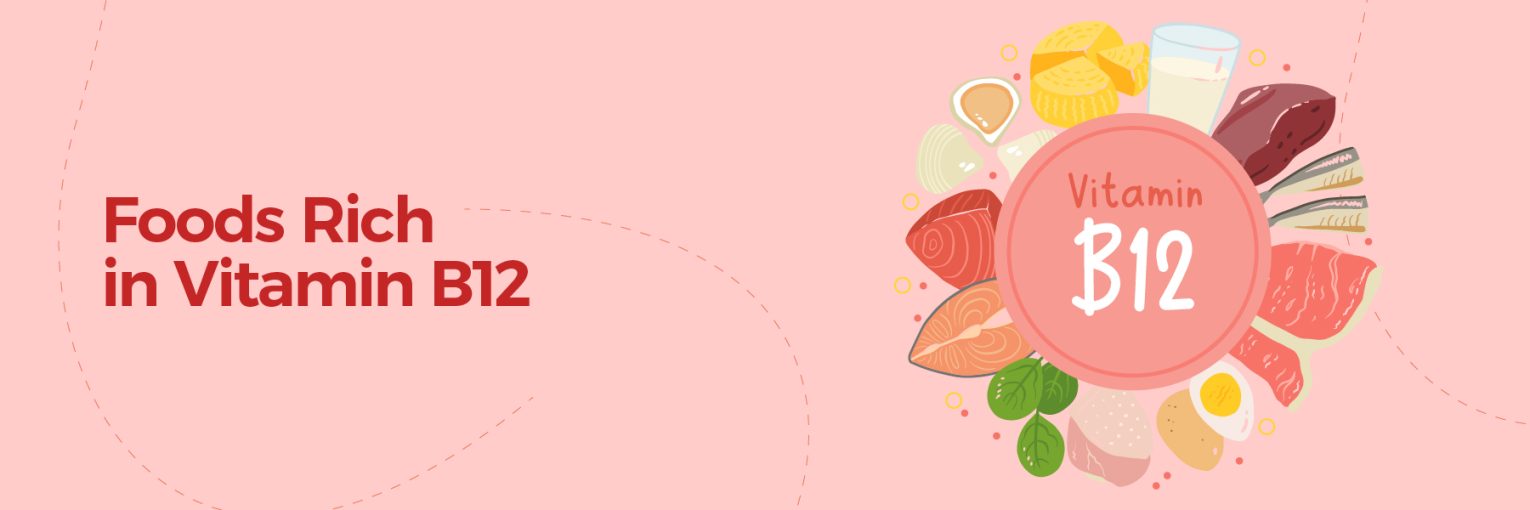
Vitamin B12 plays a very important role in red blood cell production, improves neurological health and releases energy from the food you eat. Since the body cannot produce this vitamin on its own, diet becomes its key source. Vitamin B12 is naturally present in a variety of foods, such as meat, fish, eggs and dairy products. Each of these provides a strong supply of nutrients. Adding food that is rich in Vitamin B12 to the diet is a practical step towards supporting energy levels, focus and well-being.
Understanding the role of Vitamin B12 with food highlights the impact of maintaining a healthy diet. In this context, here we present you with the foods you can have to get Vitamin B12, tips to incorporate this vitamin in your daily diet, along with symptoms and risk of its deficiency.
Importance of Vitamin B12 in the Body
Vitamin B12 is essential to preserve energy, red blood cell formation, as well as better cognitive functioning. It helps to release energy by acting as a cofactor in human metabolism of amino acids and fatty acids. Without these substances, the body struggles to digest the food. To avoid such issues, you can eat B12-fortified foods such as fish, poultry, dairy, and fortified cereals. All of them are helpful in driving energy production and help maintain daily stamina.
Subsequently, our nervous system depends on Vitamin B12 to make myelin, which is the protective layer that surrounds nerves. Fruits and vegetables do not naturally contain Vitamin B12. People who rely on plant-based diets must obtain B12 from fortified foods or supplements.
Animal-Based Foods High in Vitamin B12
Vitamin B12 is extensively found in animal-based foods, which are essential sources critical for maintaining healthy nerves and energy levels. Exploring these options can help you to get the best sources of vitamin B12 by following the mentioned diet.
Meat Sources
Meat is one of the richest sources of Vitamin B12, especially in red meat and poultry. Here is the list of foods that contain vitamin B12:
- Lamb: This is a common red meat, which contains large quantities of vitamin B12.
- Chicken: This is a common lean protein that promotes consistent B12 consumption throughout normal meals.
- Turkey: A less dense substitute to red meats, which provide the same levels of this vitamin.
- Eggs: Eggs contain B12 in smaller amounts, but it is still the preferred choice to have this vitamin on a daily basis.
- Flexibility in cooking: These meat varieties can be cooked as curries, grilled or roasted, and thus they can be easily incorporated into everyday meals.
Meat products are considered the most suitable when generating a list of vitamin B12-rich foods due to their accessibility and nutrient density. When small amounts of goat, lamb, or chicken are included in the meals, there is a certain assurance of meeting daily requirements.
Seafood Sources
Fish and shellfish provide some of the highest amounts of natural vitamin B12. Some of the options of fish high in vitamin B12 include:
- Mackerel and sardines: Oily fish that are a good source of both vitamin B12 and omega-3 fatty acids.
- Rohu and catla: Freshwater fish that are moderate but reliable sources of the vitamin.
- Tuna and salmon: These nutrient-dense options also have proteins and different forms of vitamins and minerals.
- Shellfish like clams: Shellfish are very high sources of vitamin B12 and can meet daily requirements in small amounts.
Seafood is one of the best sources of vitamin B12 foods for non-vegetarians, as it often has omega-3 fatty acids, which are also good for health.
Dairy Products
Dairy products and eggs also have Vitamin B12, but in lesser but significant portions, particularly when consumed frequently. Some of the popular dairy options include:
- Milk and curd: Daily essentials that provide moderate amounts and promote bone strength as well.
- Paneer and cheese: Paneer and cheese are versatile items which you can use in curries, snacks, or main meals.
- Availability: These foods are affordable, popular and can be prepared easily.
Eggs and dairy cannot be ignored when considering the available sources of vitamin B12. Dishes made of scrambled eggs, yoghurt or paneer give people a chance to start gradually increasing B12 intake without necessarily depending on meat or fish.
Plant-Based & Fortified Foods with Vitamin B12
Vitamin B12 is a vital vitamin, and even though most people associate it with animal food, there are a lot of plant foods and fortified foods that contain it. Alternatives such as cereal, plant-based milks, nutritional yeast and mushrooms help vegetarians and vegans to obtain their daily needs. Exploring these choices can show how a healthy diet may contain numerous natural and fortified sources of vitamin B12.
Fortified Cereals
Enriched cereals can be considered one of the most reliable sources of vitamin B12 that can be included in a plant-based diet. These vitamin-enriched foods are specifically fortified; therefore, they are convenient and reliable.
Some of the popular B12 rich plant foods include:
- Breakfast cereals: These foods can be classified into ready-to-eat cereals and hot cereals. Ready-to-eat cereals include corn flakes, puffed rice, and oats. On the other hand, hot cereals include oatmeal, hot wheat and other grain products.
- Fruits: You can also try slices of banana or other fruits you like with fortified cereals, and this combination can become the best option to have a Vitamin B12-rich breakfast.
This makes fortified cereals an easy and simple method that vegetarians and vegans can use to add vitamin B12 to their day-to-day food intake.
Plant-Based Milk
Fortified plant-based milks provide both nutrients and flexibility in everyday use. They are commonly found in many kitchens because of their wide availability and versatility. Here are some of the key factors you should be aware of about plant-based milk:
- Popular Choices: Soy, almond, oat, and coconut milks are enriched with Vitamin B12.
- Daily Consumption: You can consume such dairy products in coffee, tea, smoothies or recipes such as curries and desserts.
- Additional Nutrients: Many of them also include calcium and Vitamin D, which help to strengthen bones.
For people who follow a plant-based diet, fortified milks offer a seamless way to support the intake of Vitamin B12 while having your regular meals.
Tips to Add Vitamin B12-Rich Foods into Your Diet
A combination of animal products and plant-based foods can provide a steady intake for various dietary preferences. To do so, you can follow the mentioned tips to make a list of foods that contain vitamin B12:
- Plan balanced meals: Combine animal-based sources of vitamin B12, like chicken, fish, eggs, and dairy, with plant-based staples such as cereals or fortified milks to meet daily needs.
- Use variety: Shift between different foods throughout the week. For example, have salmon in the afternoon and include fortified plant milk with breakfast. This approach can help avoid monotony and improve nutrition.
- Include yeast or plant based drinks: Add cereals, nutritional yeast, or plant-based drinks to snacks and meals, especially if you eat fewer animal products.
- Try B12-rich foods for breakfast: Start your day with foods high in vitamin B12, like eggs, yoghurt, or fortified oats.
- Cook smart: Add mushrooms, paneer, or fish to stir-fries, curries, or soups for delicious ways to include vitamin B12 in lunch or dinner.
- Pair with other nutrients: You can combine meals rich in B12 with foods rich in iron and folate, such as pulses and beans. Combinations of such meals work together to support healthy blood flow and maintain energy levels.
Symptoms and Risks of Vitamin B12 Deficiency
Vitamin B12 deficiency occurs when the body does not get or absorb enough of this vital nutrient. In this regard, it is important to recognise these early signs so that you can prevent yourself from having such health problems
- Fatigue and weakness: Deficiency in vitamin B12 can reduce red blood cell production throughout the body. As a result, it causes persistent fatigue and muscle weakness.
- Pins and needles feeling: Long-term unavailability of vitamin B12 can damage your nerves, which can cause tingling, numbness or a pins and needles feeling in your hands and feet.
- Difficulty in concentration: If you are facing challenges to concentrating on particular things, then it may happen because of the lack of vitamin B12 in your body.
- Mood changes: If you have been feeling more irritable or anxious, or just generally low, a B12 deficiency could be affecting your mood. This vitamin helps to regulate brain chemicals that influence emotions.
- Digestive problems: Some people may face loss of appetite, nausea, or constipation. This occurs because the deficiency affects the digestive system and nutrient absorption.
- Glossitis: B12 deficiency can cause inflammation on your tongue, or you may feel soreness, which can make you feel like you’re facing challenges in eating and speaking.
- Facing difficulties in walking: B12 deficiency can also harm the spinal and peripheral nerves and the spinal cord. This may result in instability or difficulty in walking.
How Can You Avoid Vitamin B12 Deficiency In Rich Foods?
Vitamin B12 is relatively stable during normal cooking. However, excessive boiling and discarding cooking water may cause some loss. A balanced diet is more important than cooking methods for maintaining adequate B12 intake.
Conclusion
Vitamin B12 is an essential nutrient to give an energy boost, better cognitive functioning and proper circulation of blood throughout the body. To have a sufficient amount of Vitamin B12, you can add different forms of vegetarian and non-vegetarian foods as per your dietary preferences. In order to include this vitamin in your daily diet, you can consume a variety of foods throughout the week, such as dairy products, mushrooms, fish, eggs, meats, etc. By following a balanced diet that has vitamin B12-rich nutrients, you can improve your metabolism.
*Note for older adults and vegetarians: If you are over 50 and a vegetarian, you may have reduced absorption of B12. To avoid this condition, you should consider having fortified foods or supplements under medical guidance.
Vitamin B12 deficiency should be diagnosed through blood tests, and supplementation should be taken under medical supervision.
Here’s a quick look at the food options you can have:
| Food Source | Approximate Vitamin B12 Content (µg per 100 g) |
| Clams | 98.9 µg |
| Mackerel Fish | 19.0 µg |
| Tuna Fish | 10.9 µg |
| Chicken | 0.3 µg |
| Eggs | 1.1 µg |
| Fortified Breakfast Cereals | 1.0 – 6.0 µg |
| Fortified Plant-Based Milk (soy, almond, oat) | 0.4 – 2.0 µg |
| Nutritional Yeast (only if fortified) | 8.0 – 24.0 µg |
| Fortified Tofu | 1.0 – 2.0 µg |
FAQs
1. What are the best natural sources of vitamin B12?
Some of the best non-vegetarian sources of vitamin B12 include fish, chicken, eggs and meat. These food options have the optimal amount of vitamins and other nutrients to give proper energy and help to maintain better nerve health.
2. Can vegetarians and vegans get enough vitamin B12 from food?
Vegetarians and vegans can meet their Vitamin B12 needs through fortified cereals, fortified plant-based milks, fortified nutritional yeast, or supplements.
3. Which fruits and vegetables contain vitamin B12?
You can include fortified cereals, nutritional yeast, mushrooms (especially shiitake or oyster types), and seaweed to increase Vitamin B12 intake. These options are especially useful for individuals who consume a limited amount of meat or vegetarians to maintain adequate B12 vitamins.
4. How much vitamin B12 should an adult take daily?
Adults need about 2.4 to 2.8 micrograms (µg) of Vitamin B12 daily (Adults: 2.4 µg/day, Pregnant: 2.6 µg/day and Lactating: 2.8 µg/day). You can achieve this B12 intake through having a balanced mix of non-vegetarian and vegetarian diets, as per your preferences.
5. What happens if I don’t get enough vitamin B12?
In such conditions, you may feel tiredness, forgetfulness or tingling in your hands and feet. If these health issues stay consistent, then you should consult with a doctor as soon as possible.
6. Are vitamin B12 supplements better than food sources?
Supplements can be a great choice to have Vitamin B12, but you have to take some specific foods to stay healthy. Also, you should consult with a dietitian before taking any vitamin supplements.