



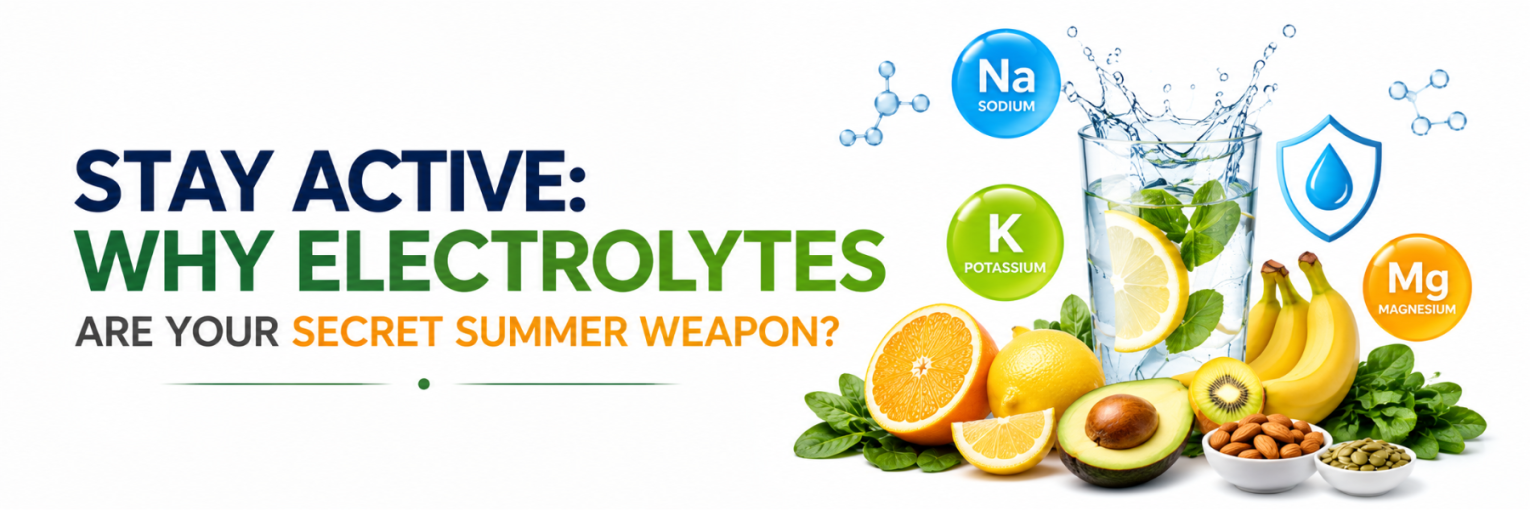
We all know the popular quote that says, ‘prevention is better than cure’. A similar idea can also be adopted to beat the summer heat with the help of electrolytes. This is a special set of minerals to keep you energised. Summer activities call for more than just water to help you stay active throughout the day. This is where drinks with electrolytes support hydration and muscle coordination.
To understand how electrolytes drink support proper body functionality, we’ll have a closer look at their role, sources and signs of electrolytes imbalance.
What are Electrolytes and Why Do We Lose Them in Summer?
The body relies on electrically charged ions to support essential functions such as nerve signalling, muscle contraction and heartbeat regulation for the proper functioning of vital organs like the heart, brain and muscles. This electric charge is completely different from the electricity required to run appliances. Electrolytes for the body are minerals that carry an electrical charge when dissolved in body fluids such as blood.
More specifically, electrolytes are minerals in the body that carry an electrical charge and help to regulate essential physiological functions. Some of the common examples of such minerals are sodium, potassium, calcium and magnesium. All of them work together to keep the physiological functions of the body running in a smooth manner.
The human body naturally loses more electrolytes in summer because of persistent sweating. While sweating helps to cool down the body by evaporating or releasing water through the skin, it also leads to the loss of water and important electrolytes such as sodium and potassium required for performing day-to-day activities. Some of the causes of electrolyte loss in the form of sweating include:
- Exposure to direct sunlight for a longer duration
- Physical work under intense heat
The Importance of Sodium, Potassium, and Magnesium for Activity
Sodium, potassium and magnesium are the crucial minerals for regulating the internal organs of the body. To know more about their importance in the body, let’s have a closer look at the list of electrolytes in the body as well as what their low and high values indicate:
Sodium (Na)
Sodium mainly regulates the extracellular fluid balance of the body. It also helps in managing blood pressure and nerve signalling. Sodium in the human body helps to maintain hydration by controlling the amount of water retained in the body and supports proper muscular functions. Here’s what the low and high levels of sodium indicate:
- Hypernatremia (High amount of sodium): Excessive sodium can cause confusion and behaviour changes among individuals. It is also associated with unusually strong reflexes and loss of muscle control, coma or seizures.
- Hyponatremia (Low amount of sodium): Inadequate levels of sodium may create confusion, irritability, nausea, weakened reflexes and vomiting. Similar to a high amount of sodium, it can also lead to seizures and coma.
Potassium (K)
In human body cells, potassium is used alongside sodium. The entry of potassium ions into the cells is associated with the loss of sodium ions and vice versa. Potassium also holds a crucial position for managing heart functions. Here’s what excessive and insufficient values of potassium indicate in the body:
- Hyperkalemia (Excessive potassium): An increase in potassium levels more than required can cause weakness, inability to move muscles, confusion and abnormal heart rhythms (arrhythmias).
- Hypokalemia (Insufficient potassium): Lower than required levels of potassium lead to muscle weakness and cramps. It can also increase unusual thirst, increase the urge to pee and dizziness or passing out if you are standing up suddenly and quickly.
Magnesium (Mg²)
Magnesium in the hydration drinks for summer assists body cells to turn nutrients into energy. It is also essential for bone structural development, DNA synthesis and maintaining a steady cardiovascular health. However, higher and lower levels of magnesium can cause an imbalance in the core functions of the body. Here’s a quick look at each scenario:
- Hypermagnesemia (High level of magnesium): Excessive levels of magnesium may lead to changes in heart rhythm, arrhythmia, weakened reflexes, reduced ability to breathe and increased risk of low blood pressure, abnormal heart rhythms and breathing difficulties.
- Hypomagnesemia (Low level of magnesium): Lower than optimal levels of magnesium may cause muscle weakness, twitching, heart arrhythmias and muscle spasms, tremors or abnormal heart rhythms. This condition commonly happens in connection with the deficiency of calcium and potassium.
Natural Sources vs. Supplements: How to Refill Electrolytes?
Nature provides what the body requires. It means you can get essential electrolytes for the body, like Sodium, Potassium and Magnesium from a wide range of fruits and vegetables. However, in some instances, you might need additional supplements to fulfill your electrolyte intake. Let’s have a quick look at both of them:
Natural Sources of Electrolytes
There are multiple natural sources of electrolytes, some of which include:
- Sodium: It is naturally present in dill pickles, table salt, clams, celery and dairy products. You can also get sodium through table salt, soups and lightly salted meals.
- Potassium: They are found abundantly in salmon, bananas, beet greens, white beans, avocado, potatoes, milk and mushrooms. Thus, all of these fruits & vegetables support proper muscle and nerve function.
- Magnesium: This nutrient is widely available in leafy greens such as spinach. You can also get magnesium through pumpkin seeds, almonds, lima beans, tuna and brown rice. All of them contribute to energy production and muscle relaxation.
Electrolyte Supplements
Supplements for electrolytes can deliver a managed concentration of essential minerals to individuals who might not get them through natural sources. Here’s how to regain electrolytes from supplements:
- Sodium: Sodium is one of the most crucial electrolytes to restore the proper functioning of vital organs. Supplements such as Oral Rehydration Solutions (ORS), sports drinks or electrolyte tablets are specially formulated to quickly restore your hydration levels.
- Potassium: Potassium is mainly required for nerve signalling, heart rhythm stability and muscle contraction. Potassium is largely found in electrolyte powders for a quick replacement. It helps to regain body energy caused by persistent sweating or fluid loss.
- Magnesium: Magnesium supplements are commonly available as tablets, capsules, powders and sports drinks. It plays a significant role in restoring the overall electrolyte functioning of the body.
While electrolyte supplements bring convenience, always take them after a doctor’s consultation. This helps to prevent having an excess amount of electrolytes, which may also affect the proper functioning of internal organs.
Signs of Electrolyte Imbalance You Should Never Ignore
An imbalance of electrolytes might happen if you have excessive or very low amounts of nutrient intake. Let’s have a quick look at a few low electrolytes symptoms:
- Diarrhoea or constipation
- Fatigue
- Headaches
- Irregular or fast heart rate (arrhythmia)
- Muscle cramps, muscle spasms or weakness
- Confusion and irritability
- Nausea and vomiting
- Numbness or tingling in limbs, fingers and toes
Who Is More Prone to Electrolyte Imbalance in Summer?
Electrolyte imbalance can affect anyone, but there are certain groups who are at a higher risk of this nutrient deficiency. Some of them include:
- Infants and Young Children: Because of the faster metabolism and growth, children are more vulnerable to dehydration because they have a higher fluid turnover rate and smaller fluid reserves compared to adults.
- Individuals With Medical Conditions: If anyone is persistently having sweating, vomiting, diarrhoea or fever, then the person might lose electrolytes at a rapid rate.
- Senior Citizens: Ageing slowly reduces the body’s ability to retain essential fluids. As a result, it creates an electrolyte deficiency and increases the risk of frequent dizziness or tiredness in summer.
- People with Eating Disorders: Individuals with poor nutritional intake or malnutrition may have a higher risk of electrolyte imbalance.
Electrolyte Panel Test at Vijaya Diagnostics
Electrolytes are vital for most of the physiological processes of the human body. It helps to regulate essential fluid levels, facilitate nerve impulse transmission and support proper muscle contraction. However, the risk of electrolyte loss increases in the summer. This mainly occurs due to excessive sweating and prolonged exposure to direct sunlight. To assess hydration status and electrolyte balance, an electrolyte panel test may be useful during summer, especially in cases of persistent fatigue, dehydration or illness.
Diagnostics service providers like Vijaya Diagnostics’ facilities are largely equipped with the necessary testing solutions for essential body fluids. They are a NABH-accredited diagnostic service provider, which means that they have met rigorous quality and safety standards for patient care.
The diagnostics centre has 40+ years of legacy in delivering quality diagnostic services. In addition, they are present in 25+ cities across 6 states in India.
Conclusion
Electrolytes are minerals that develop an electrical charge when dissolved in body fluids. They regulate several crucial bodily processes (such as fluid balance, muscle contraction and nerve signalling) that are required for day-to-day activities.
Proper summer hydration helps you get an adequate amount of electrolytes like sodium, potassium and magnesium. It is more specifically required for groups like children, athletes, senior citizens and those with chronic illnesses. If you’re noticing persistent tiredness even after having electrolytes, consult a doctor and take the required test for smooth treatment planning.
FAQs
1. Why is Magnesium more critical during summer heatwaves?
Magnesium is more crucial in summer heatwaves because the body loses it at a rate, although sodium is the primary electrolyte lost through sweat, magnesium losses may also increase during prolonged sweating or intense physical activity, more than it is consumed. In the human body, magnesium contributes to energy production, muscle relaxation and nerve signalling. All of these three functions allow the body to function in a smooth manner.
2. What is the risk of “Over-Hydrating” with plain water?
The overhydration of plain water is largely associated with the excessive dilution of the sodium (salt) in the bloodstream. This condition is medically known as hyponatremia, where the kidneys cannot excrete water at the right pace. Thus, it leads to a severe dilution of blood sodium levels. It mainly disrupts the nerve and muscle function and may increase pressure inside the skull.
3. How does Potassium impact “Heat Tolerance”?
Potassium helps maintain fluid balance, nerve function and muscle activity, which support the body’s ability to cope with heat stress. Because of persistent heat exposure, sweating causes loss of excess potassium alongside other electrolytes. Thus, it affects the hydration and metabolic activities of individuals. In this situation, adequate levels of potassium help to sustain cellular stability and reduce fatigue under heat distress.
4. What is the “Salty Sweater” phenomenon?
The salty sweater phenomenon mainly refers to individuals who lose higher-than-average amounts of sodium from sweat. This occurs when an individual loses unusually high amounts of sodium through sweat. The process results in two effects that include creating visible salt marks on the skin and causing increased electrolyte loss during heat or exercise.
5. How do electrolytes affect “Core Temperature” regulation?
Electrolytes mainly help to regulate the core temperature of the human body. It is mainly supported by hydration, blood circulation and sweating. When the body temperature rises, sweat removes heat, but it also carries electrolytes such as potassium and sodium. Electrolytes help maintain fluid balance and circulation, both of which are important for effective temperature regulation.
6. Can Electrolyte imbalances cause “Brain Fog”?
Yes, electrolyte imbalance may cause brain fog by affecting core brain functions. Crucial electrolytes such as potassium and sodium are essential for fluid balance and nerve signalling in the brain. If the electrolyte balance drops. It can lead to poor concentration, mental fatigue and confusion. This situation may get worse with dehydration. Thus, it makes cognitive symptoms more likely to appear among people who have low electrolyte levels.
7. What is the “Golden Ratio” for a homemade electrolyte drink?
The suggested ratio for a homemade electrolyte drink is mainly based on simple oral dehydration principles. The most common guideline to make electrolytes drinks states using 1 litre of water, 6 teaspoons of sugar and ½ teaspoon of salt. This balance significantly improves the fluid absorption in the body. However, adding excessive sugar or salt may disrupt hydration. In this regard, the correct proportions are important for safe and effective hydration.
This solution is mainly intended for dehydration management and should be prepared carefully to avoid excessive salt or sugar intake
Disclaimer: For most healthy individuals, water and a balanced diet are usually sufficient for routine hydration. Electrolyte drinks may be more beneficial during prolonged sweating, intense exercise, illness or extreme heat exposure.