



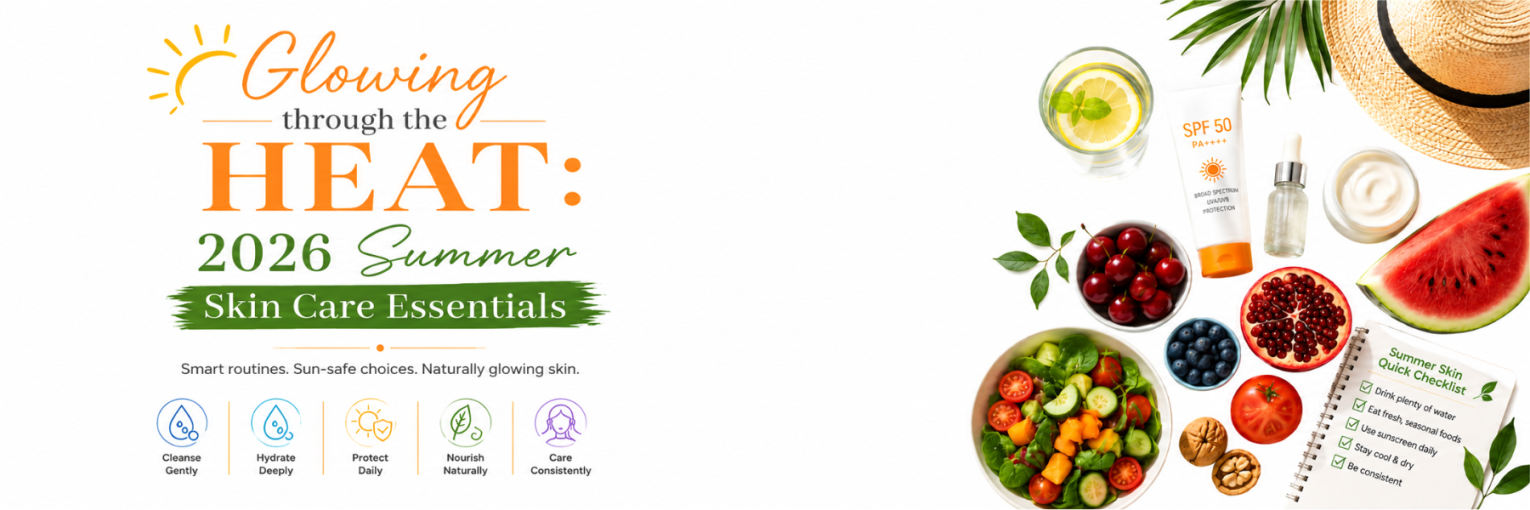
Summer does not take long to show up on your skin. A few hot days, a little extra sweat, stronger sun, and suddenly your face starts feeling oily, dull, sticky, or oddly irritated. That is why skin problems in summer feel more noticeable, even when your regular routine has not changed much.
Some of the common skin problems in summer are familiar. Skin can get dehydrated, pores can clog faster, tanning becomes harder to avoid, and breakouts often show up out of nowhere. Still, these issues do not look the same to everyone. Your skin type, your commute, the city you live in, and even how often you touch your face can change the way your skin behaves.
The best summer skin care routine is usually the one that feels easy enough to follow every day. In most cases, simple cleansing, lightweight moisture, and steady sunburn protection do a better job than an overloaded shelf. When you sweat, and clothes keep rubbing against it, common summer rashes can show up fast. Once you pay attention to these small triggers, summer skincare becomes far easier to manage.
Common Summer Skin Conditions: From Heat Rash to Sunburn
Summer skin conditions are not always prominent, but they are annoying enough to throw your skin off balance. Some are heat-related or caused by the sun. Others show up after outdoor exposure, insect bites, or contact with irritating plants and water. The troublesome part is that many of these problems might not seem large at first.
Sun Exposure and Skin Damage
Sun exposure is easily one of the biggest reasons behind common skin problems in summer. Even routine exposure during travel, errands, or long afternoons out can leave your skin feeling tight, hot, and sensitive. A sunburn or tan may fade after a while, but it still reflects skin damage caused by UV exposure. It still means the skin has been under stress.
That is why daily sunburn protection matters, even on days that do not feel especially intense.
- Sunscreen is necessary, alongside caps, sunglasses, and simply stepping into the shade when the heat feels excessive.
- Broad-spectrum sunscreen protects against both UVA and UVB rays. It has been noted that UVB is the primary cause of sunburn, while UVA contributes to early skin ageing.
If the skin is already sunburned, sunburn treatment should stay basic. Cool the area, avoid more sun, and stick to gentle, non-irritating products while the skin calms down.
Heat Rash and Sweat-Related Issues
Heat rash usually appears when sweat gets trapped under the skin instead of evaporating properly. It can look like tiny red bumps and often feels itchy, prickly, or just uncomfortable. It is caused by blocked sweat ducts, and the rash often flares in hot, humid conditions.
This is one of the more common summer rashes, especially on the neck, back, chest, underarms, and waist. The most practical heat rash treatment is to wear loose cotton clothing and get out of damp clothes quickly. Medical guidance also recommends avoiding heat and humidity where possible and keeping the skin dry and well-ventilated.
A cold compress can help when the skin feels hot and irritated. If the rash starts spreading, stinging badly, or looking infected, you should consult a doctor immediately.
Insect Bites and Outdoor Irritations
Summer usually means more time outdoors, and that naturally brings more chances of insect bites and stings. Mosquitoes, bees, and bugs can leave the skin itchy, swollen, or sore, and some summer skin conditions are linked to exactly this kind of outdoor exposure.
A repellent helps, but so does basic care after coming home. Wash exposed skin, avoid scratching bites, and keep an eye on any area that starts looking unusually inflamed.
Water and Plant-Related Reactions
Sometimes the problem is not the weather itself. It is what your skin comes into contact with. Swimming in certain water bodies, brushing against plants, or spending time in grassy areas can trigger redness, itching, or a patchy rash.
For some people, these reactions stay mild, while in others they may flare up quickly. If the discomfort keeps building, it is better to treat it seriously instead of assuming it will disappear the next day.
Essential Skincare Routine for the 2026 Summer Heat
Your skin rarely wants the same routine all year round. During the summers in 2026, heat, sweat, pollution, and long hours of UV exposure still make skin feel heavier, oilier and more reactive than usual. That is exactly why skincare in the summer needs to be lighter.
Good skincare in summers should feel clean, breathable, and realistic. If a product feels too heavy in the heat or if a routine feels too long to follow daily, it will not be sustainable.
Cleanse Effectively
Start with a gentle cleanser that can lift off sweat, oil, dust, and sunscreen without leaving the face tight. Gel or foam cleansers often work well in hot weather, especially when the skin feels greasy by midday. Dermatology advice for summer skin commonly recommends mild cleansing and warns that excess oil, sweat, and clogged pores can worsen acne in the heat.
At the same time, over-cleansing is a mistake a lot of people make. If you keep stripping the skin, it will produce more oil.
Choose Lightweight Hydration
This is the step people often skip once the weather turns humid. But even in summer, skin still needs moisture. The difference is that heavy creams can feel suffocating, while gel-based or water-based products are usually absorbed better on the skin.
A light moisturiser helps keep the skin balanced without making it greasy. If your face feels dehydrated and oily at the same time, that may indicate the skin barrier is weakened.
Use Sunscreen Daily
This is the non-negotiable step. Sunscreen should be part of your morning routine, whether you plan to stay outdoors or not. It is recommended to use a broad-spectrum sunscreen with SPF 30 or higher. Note that there is no safe way to tan because tanning itself reflects skin damage.
For proper summer skin protection, reapplication matters as well. One quick layer in the morning will not hold up through sweat, heat, and long hours outside.
Add Antioxidants
A simple serum can go a long way in hot weather. Vitamin C and niacinamide are popular for a reason. They help support skin clarity and can make the routine feel a little more complete without making it heavy. You do not need to build a complicated routine around this. One well-chosen product is enough.
Exfoliate with Care
Exfoliation helps, but summer is not the season to get aggressive with it. Once or twice a week is usually enough. Overdoing it can leave the skin feeling raw, especially when it is already dealing with heat, sweat, and the effect of UV light on skin.
If your skin starts stinging after every wash, that is usually your sign to slow down.
Follow a Simple Night Routine
Night-time care should feel easy. Wash off the day properly, especially sunscreen and sweat, and then use a light moisturiser or hydrating serum. That is often all your skin needs to recover.
If heat and sweat are bothering your skin, this helps:
- Keep the skin cool and as dry as possible.
- Wear loose, airy fabrics.
- Change out of sweaty clothes quickly.
- Stay consistent with basic hygiene.
The best summer skincare routine is often less about adding multiple steps and more about doing the basic things properly every day.
The Role of Vitamin D vs UV Damage in Peak Summer
Your body uses sunlight to support vitamin D in summer, yet too much exposure can leave the skin irritated and damaged. Research and public health guidance both point to the same basic idea: a small amount of UV exposure helps with vitamin D production, but extra exposure only adds to skin damage.
Vitamin D and Sun Exposure
Sunlight helps the skin produce vitamin D when it is exposed to UVB rays. This matters for bone health, calcium absorption, and immune function. Vitamin D formation in skin from UVB exposure is well established in medical literature.
The important point is that more sun is not always better. The body only needs a small amount of UV to make vitamin D, and extra UV exposure adds to skin damage rather than giving more benefits.
Understanding UV Impact on Skin
The effect of UV light on skin goes beyond a visible tan. Repeated exposure can gradually affect texture, tone, and overall skin quality. Long-term sun exposure is associated with inflammation, pigmentation changes, photoaging, and other signs of skin damage.
When people talk about ultraviolet rays effects, they often think only of tanning or redness. But the changes can be more prominent and slower than you imagine. The skin may start looking rougher, more uneven, or more reactive long before the damage feels obvious.
Risks Linked to Prolonged Exposure
Too much sun creates both short-term and long-term issues. In the short term, you may notice redness, burning, and sensitivity. Over time, repeated exposure may contribute to pigmentation, fine lines, and visible ageing.
Clinical sources also distinguish UVA and UVB this way: UVA penetrates deeper and contributes strongly to photoaging, while UVB is more closely linked to sunburn and direct DNA damage.
Maintaining a Balanced Approach
Research suggests sunscreen helps reduce skin damage, and in real-world use, many people still maintain adequate vitamin D levels despite regular sunscreen use.
Hence, it comes down to protecting your skin, avoiding unnecessary overexposure, and not treating a tan as proof of healthy skin. Dermatology guidance is clear that tanning is still a form of skin damage.
Key Differences: Vitamin D Benefits vs UV Risks
| Aspect | Vitamin D Production | UV Exposure Risks |
| Source | Sunlight, mainly UVB rays. | Prolonged and repeated UV exposure. |
| Role | Supports bones and immunity. | It can damage skin cells and DNA. |
| Exposure Need | Short and controlled. | Risk increases with longer exposure. |
| Skin Impact | Helps normal body function. | May cause ageing, tanning, and sunburn. |
| Protection Role | Limited exposure is enough. | Sunscreen helps reduce harm. |
Nutritional Support for Glowing and Protected Summer Skin
What you put on your skin matters, but your nutrition shows up there, too. Hot weather, dehydration, and excessive sun exposure can leave the skin looking tired. A healthy diet for glowing skin can support hydration and help the skin handle seasonal stress a little better. This does not mean food replaces summer skincare.
Summer Skin Protection Through Diet
Summer skin protection is not only about sunscreen and face wash. Foods rich in antioxidants and water content can support the body when the skin is dealing with heat and sun more often. Guidance on summer skin nutrition commonly highlights hydrating produce and antioxidant-rich foods for this reason.
- Cherries and pomegranates are useful because they bring antioxidant support.
- Tomatoes contain lycopene, an antioxidant that may help support the skin against oxidative stress caused by sun exposure.
- Watermelon also contains lycopene while helping with hydration.
Foods That Are Good for Your Skin
If you are looking for foods that are good for your skin, summer produce makes it easy. Watermelon is an obvious choice because of its high water content, and both watermelon and tomatoes are popular for lycopene.
Carrots, kale, peppers, and berries also deserve a place on your plate. Nutrition guidance for skin health often points to vitamin C, antioxidants, and other plant nutrients that help support repair and skin clarity.
Healthy Diet for Your Skin
A healthy diet for glowing skin does not have to be exotic. It usually comes down to water, fresh seasonal foods, and a few sources of healthy fats. Walnuts, avocado, and similar foods help support the skin’s moisture barrier and overall softness, while fruits and vegetables add the antioxidant side of the equation.
Clear Skin Naturally with Seasonal Choices
If you want to support clear skin naturally, simple seasonal eating is a good place to begin. More fluids, more water-rich fruits, more colourful vegetables, and fewer heavy, dehydrating habits can make a visible difference over a few weeks.
Dermatology Screening at Vijaya Diagnostics
Not every skin issue is easy to understand at home. Some pigmentation changes or rashes do not respond to regular care. Sometimes irritation, allergy, or infection needs more than trial and error. In that situation, a dermatological evaluation or laboratory investigation, such as an important skin test, may help identify the underlying cause.
At Vijaya Diagnostics, dermatology-related investigations may include procedures such as skin scrapings, biopsy-based analysis, or other laboratory tests, depending on the concern. If a skin concern keeps returning, spreads, or simply does not improve, getting it checked is the sensible next step. Early assessment often saves time, stress, and a lot of self-diagnosis that leads you nowhere.
Disclaimer: People with persistent rashes, severe acne, allergies, eczema, or unusual pigmentation should consult a dermatologist for proper evaluation.
FAQs
Are there specific skin types that benefit more from Summer Skin Health practices?
All types of skin benefit from these practices, but oily and acne-prone skin might need better oil control. Dry and sensitive skin, on the other hand, requires added hydration and soothing care during summer.
What are the essential components of Summer Skin Health?
Primary components include gentle cleansing, lightweight moisturising, use of sunscreen, hydration and protection from excessive heat and sun exposure.
Are the recommendations for Summer Skin Health safe for all age groups?
Most practices are safe for most age groups. However, the products that you select and sun exposure need to be tailored based on the age, skin sensitivity and existing conditions.
What are some quick tips for protecting my skin when spending time outdoors in the summer?
Use sunscreen regularly, wear protective clothing, stay hydrated, avoid peak sun hours and cleanse the skin after sweating or outdoor exposure.
Can I apply these skin health practices year-round, or are they specific to summer?
Many practices can be followed throughout the year, but adjustments in types of products and their usage are based on seasonal changes and environmental conditions.